

As a wedding photographer, one of the most important skills I have is the ability to pose couples in a way that creates stunning and timeless photographs. Posing is a crucial aspect of wedding photography, as it can make or break a photo. Whether you’re an experienced photographer or just starting out, mastering the art of posing couples is essential for creating beautiful and memorable images for your clients. In this blog post, I’ll be sharing some of my tips and tricks for posing couples in a way that will make their wedding photos stand out.
Understanding Your Couple
Before the wedding day, I always make sure to get to know my couples as much as possible. This includes not only learning about their preferences and personalities, but also building a rapport and trust with them. By understanding my couples on a deeper level, I am able to create photographs that truly reflect who they are as individuals and as a couple.
- Tips for building rapport and trust with your couple:
- Schedule an engagement session with them prior to the wedding day
- Ask them questions about their relationship and what they love about each other
- Listen actively and show genuine interest in their responses
- How to use your couple’s personalities and preferences to inform your posing:
- Ask your couple about their favorite poses and incorporate them into the photo shoot
- Pay attention to their body language and use it to create natural and authentic poses
- Capturing their personalities, interests, and quirks in the photos.
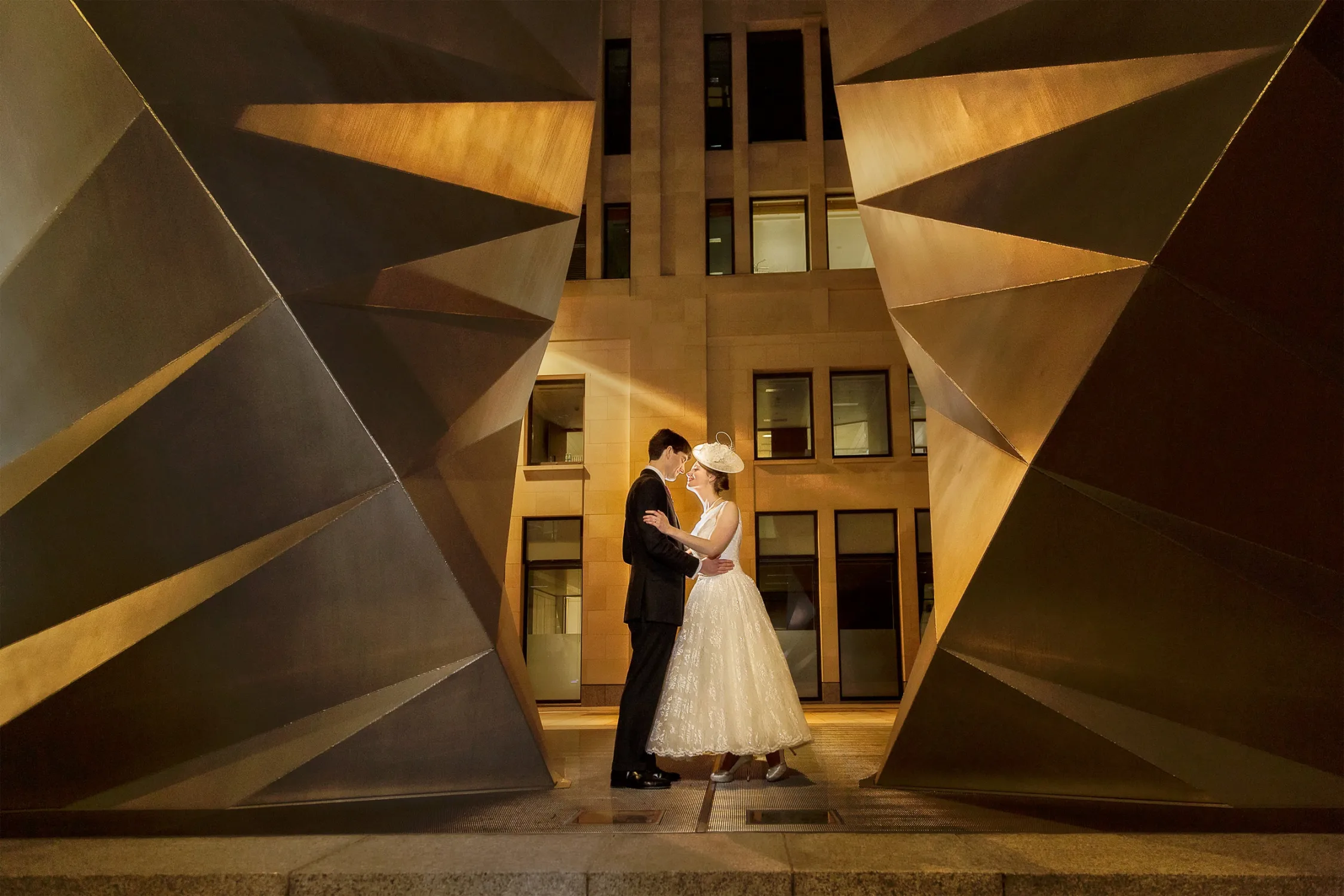
Posing Fundamentals
When it comes to posing, there are a few fundamental techniques that every wedding photographer should know. These include using angles, lines, and symmetry to create visually pleasing compositions, as well as posing couples in different lighting conditions.
- Basic posing techniques for couples:
- The “S” pose: This is a classic pose that creates a natural and relaxed look for the couple
- The “V” pose: This is a more dramatic pose that creates a sense of intimacy and connection between the couple
- The “T” pose: This pose is great for creating a sense of balance and stability in the photo
- How to use angles, lines, and symmetry to create visually pleasing compositions:
- Use diagonal lines to create a sense of movement and energy in the photo
- Use symmetry to create a sense of balance and harmony in the photo
- Experiment with different angles to add visual interest and drama to the photo
- Tips for posing couples in different lighting conditions:
- Use backlighting to create a romantic and ethereal look in the photo
- Use sidelighting to create a sense of depth and dimension in the photo
- Use front lighting to create a clean and classic look in the photo

Advanced Posing Techniques
Once you’ve mastered the basics of posing, it’s time to start experimenting with more advanced techniques. This includes using movement and interaction to create dynamic and candid shots, as well as posing couples in different settings and environments.
- How to use movement and interaction to create dynamic and candid shots:
- Encourage the couple to move around and interact with each other
- Capture candid moments and expressions as they happen
- Use movement to create a sense of energy and movement in the photo
- Tips for posing couples in different settings and environments:
- Use the natural elements of the environment to create a sense of place and context in the photo
- Experiment with different perspectives and vantage points to add visual interest to the photo
- Use the environment to create a sense of scale and proportion in the photo
- How to use different lenses and focal lengths to create unique and interesting poses:
- Use a wide-angle lens to create a sense of depth and grandeur in the photo
- Use a telephoto lens to create a sense of intimacy and connection in the photo
- Experiment with different focal lengths to create a sense of movement and motion in the photo
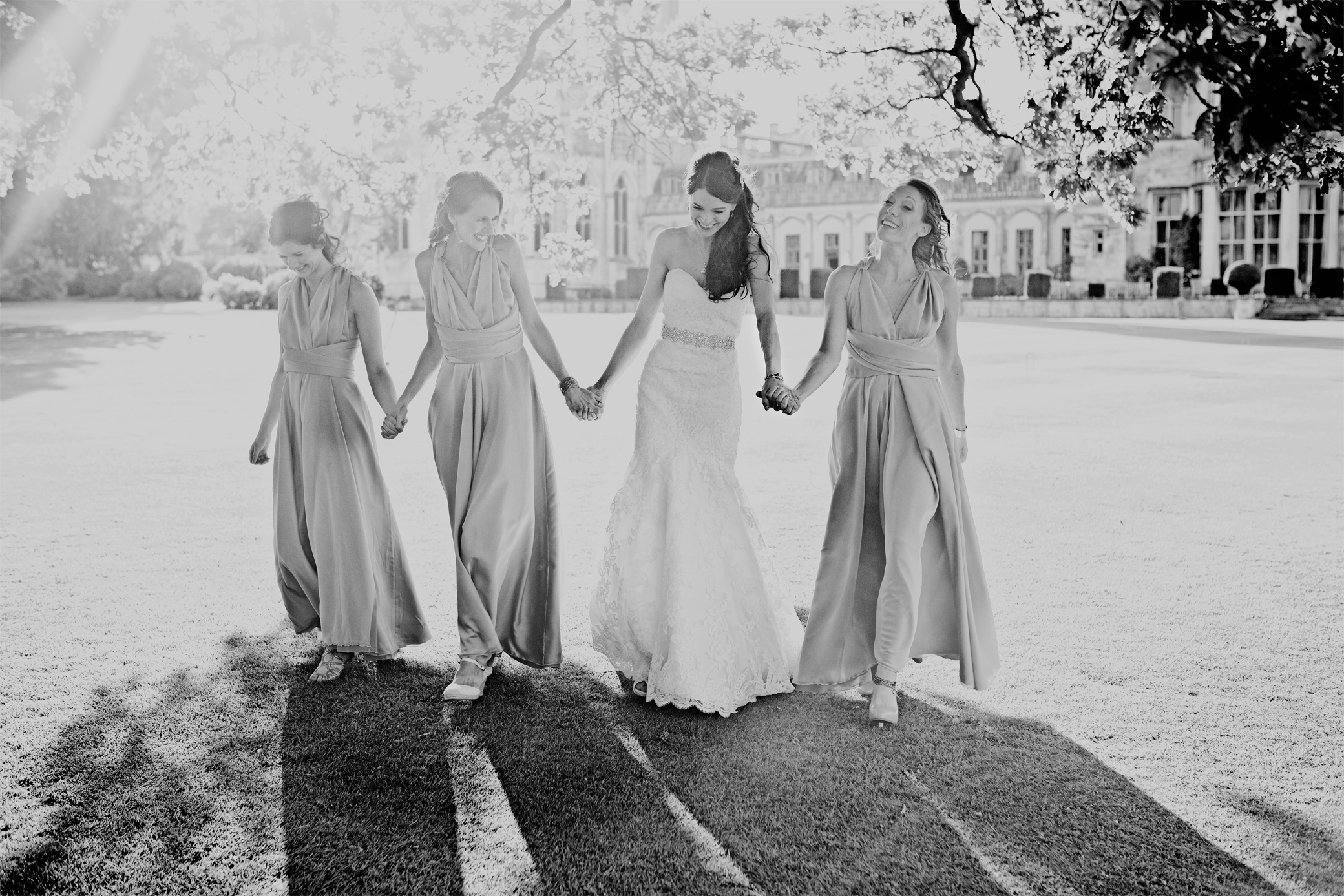
Post-Processing
Post-processing is the final step in creating stunning wedding photos. It’s important to use editing software to enhance your posing and composition, as well as to create a cohesive look for your wedding photos.
- How to use editing software to enhance your posing and composition:
- Use cropping and straightening tools to improve the composition of the photo
- Use retouching tools to fix any minor imperfections in the photo
- Use color grading tools to enhance the mood and atmosphere of the photo
- Tips for using filters, color grading, and retouching to create a cohesive look for your wedding photos:
- Develop a consistent editing style that reflects your personal aesthetic
- Use color grading and retouching to enhance the emotional impact of the photo
- Use filters to add a unique and personal touch to the photo
Conclusion
As a wedding photographer, mastering the art of posing is essential for creating beautiful and memorable images for your clients. By understanding your couples and using the right techniques, you can create stunning and timeless photographs that they will treasure for a lifetime. Remember to build trust and rapport with your couples, use posing fundamentals, advanced posing techniques, and post-processing to enhance your photos. And most importantly, continue to practice and experiment to find your own unique style.
If you’re looking for more inspiration and resources for learning about posing and wedding photography, I highly recommend checking out some of the following resources:
- The Art of Posing: Techniques for Digital Photographers by Michael Melford
- The Photographer’s Guide to Posing: Techniques to Flatter Everyone by Lindsay Adler
- Posing for Portrait Photography: A Head-to-Toe Guide by Jeff Smith
By following these tips and tricks, you’ll be well on your way to taking stunning and timeless wedding photos for your clients.

What are the S, V and T poses?
The S, V and T poses are three common posing techniques used by photographers to create dynamic and visually pleasing images. These poses are used to create a sense of movement, direction, and flow in the photo.
The S pose is a curving and flowing pose that creates a sense of movement and grace in the photo. The subject’s body forms an “S” shape, with one leg bent and the other straight. This pose is typically used to create a sense of elegance and femininity. The S pose is particularly effective for portrait and fashion photography, as it accentuates the curves of the body and creates a sense of movement in the photo.
The V pose is a more dynamic and powerful pose that creates a sense of direction and movement in the photo. The subject’s body forms a “V” shape, with one leg forward and the other back. This pose is typically used to create a sense of action and energy in the photo. The V pose is particularly effective for sports and action photography, as it accentuates the lines of the body and creates a sense of movement in the photo.
The T pose is a grounding and stable pose that creates a sense of balance and stability in the photo. The subject’s body forms a “T” shape, with one leg forward and the other back, and both arms extended out to the side. This pose is typically used to create a sense of calm and serenity in the photo. The T pose is particularly effective for portrait and landscape photography, as it accentuates the lines of the body and creates a sense of balance and stability in the photo.
When using these poses, it’s important to consider the context of the photo and the message you want to convey. Each pose has its own strengths and weaknesses and should be used appropriately to create the desired effect in the photo. Additionally, it’s important to always consider the comfort and safety of the subject, especially when posing for extended periods of time.

