

Mastering the Art of Evening and Low Light Photography at Weddings
Evening and low light photography bring a distinct, magical quality to wedding photography, transforming ordinary moments into atmospheric and intimate memories. Capturing the soft glow of candlelight, the romance of a sunset, or the drama of a dimly lit dance floor requires technical skill and an artistic eye. Renowned for mastery in this challenging yet rewarding field, I’ve been recognised as one of the UK’s top 10 winter wedding photographers and have earned numerous international awards with SWPP, MPA, and WPPI. This expertise is in capturing images and imparting this knowledge through classes at prestigious institutions like WPPI Las Vegas and SWPP in London and Malta.
Understanding the Essence of Low Light Photography
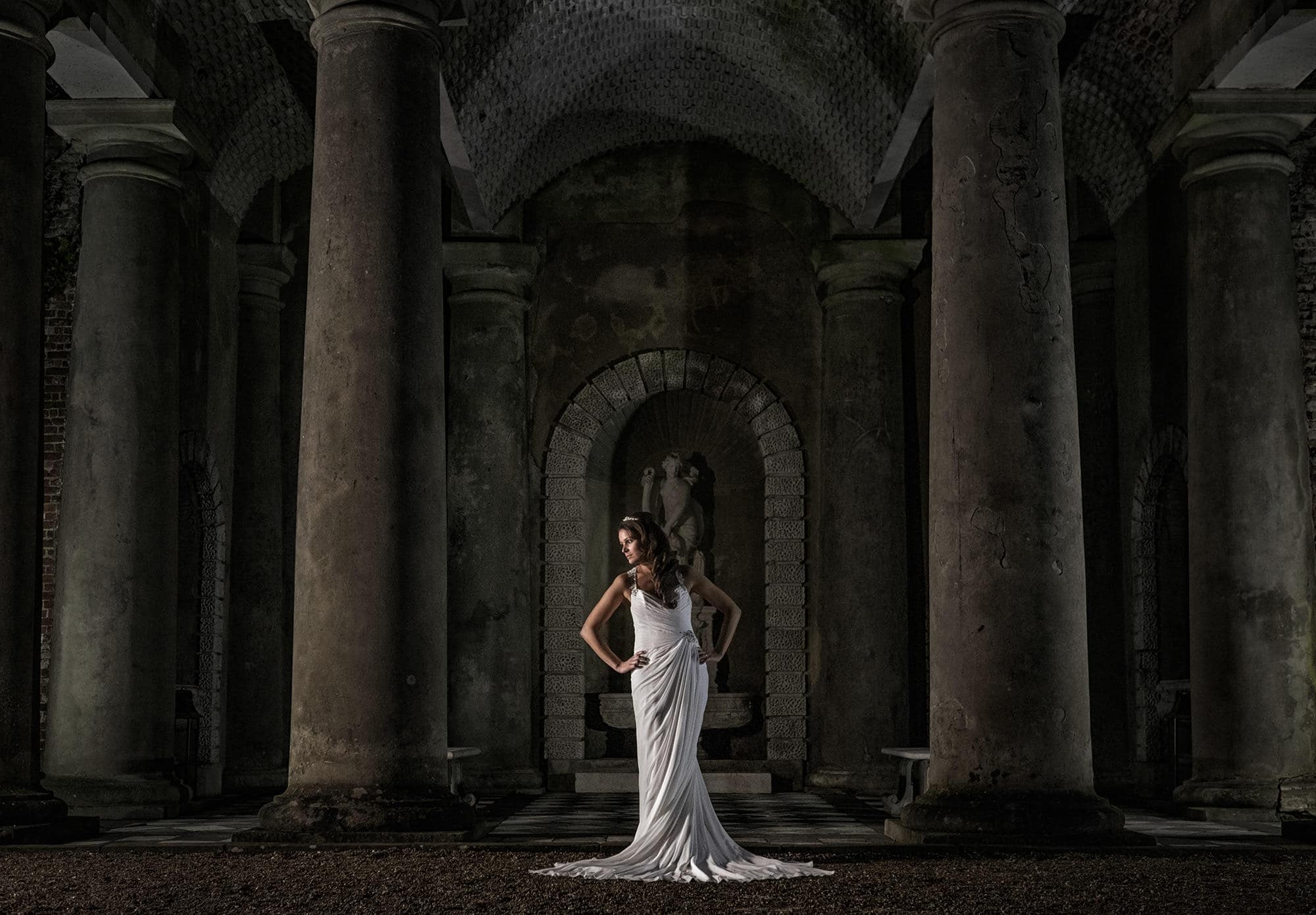
Low-light photography at weddings transcends the mere act of capturing images in dim settings; it’s an art form that requires a profound understanding of how minimal light can be skilfully harnessed to craft visually stunning and emotionally resonant scenes. This niche in photography isn’t solely about grappling with the scarcity of light but rather about cherishing and utilising the subtleties and nuances it offers. The interplay of shadows and light, when mastered, can convey the narrative of the couple’s journey and the unique ambience of their momentous day with unparalleled depth and intimacy.
When the sun dips below the horizon, or the lights dim in a cosy, intimate venue, the conventional rules of photography are redefined. The low-light photographer steps into a world where every shadow holds a secret, and every beam of light tells a story. It’s about seeing beyond the visible, capturing the whispers in the shadows, and the tales that light, in its scarcity, yearns to tell. This genre of photography does not shy away from the challenges posed by the lack of abundant light. Instead, it sees a canvas in the darkness, waiting to be painted with the hues of creativity and sensitivity.
- Embracing the Mood: The scarcity of light brings with it an inherent moodiness, a certain drama that daytime photography might not offer. The subtlety of soft light, the mystery of deep shadows, and the interplay of light sources can transform a simple moment into a scene brimming with emotion. The glint in the eye of the bride, the tender shadows cast by the couple’s embrace, or the silhouetted figures against a twilight sky – each element contributes to the narrative in a uniquely profound way.
- Depth and Dimension: Low light photography is not just about brightness and darkness; it’s about depth and dimension. The way light falls on a subject, the way shadows carve out shapes and textures, and the way highlights define edges and contours, all contribute to creating a three-dimensional feel in a photograph. This depth is essential in wedding photography, as it adds a palpable richness and tangibility to the memories being captured.
- Crafting the Ambience: The ambience of a wedding is a delicate blend of the venue’s character, the décor, the lighting, and the people. In low light conditions, photographers have the unique opportunity to enhance and modify this ambience through their lens. By controlling how light interacts with subjects and surroundings, they can amplify the intimacy of a candlelit dinner, the elegance of a twilight garden party, or the vibrancy of a dance floor lit by disco lights. This ability to not just capture, but also to craft the ambience, makes low-light photography an invaluable asset in wedding photography.
- Telling the Story: Every wedding is a story, a tapestry of moments and emotions woven together. Low-light photography, with its inherent depth and drama, adds richness and texture to this tapestry. It allows for the creation of images that are not just pictures, but narratives. A softly lit portrait, a shadowy figure in the background, or a lone source of light in a dark room can sometimes tell more about the mood and the emotion of the moment than the brightest of daytime shots.
Mastering Camera Settings for Low Light
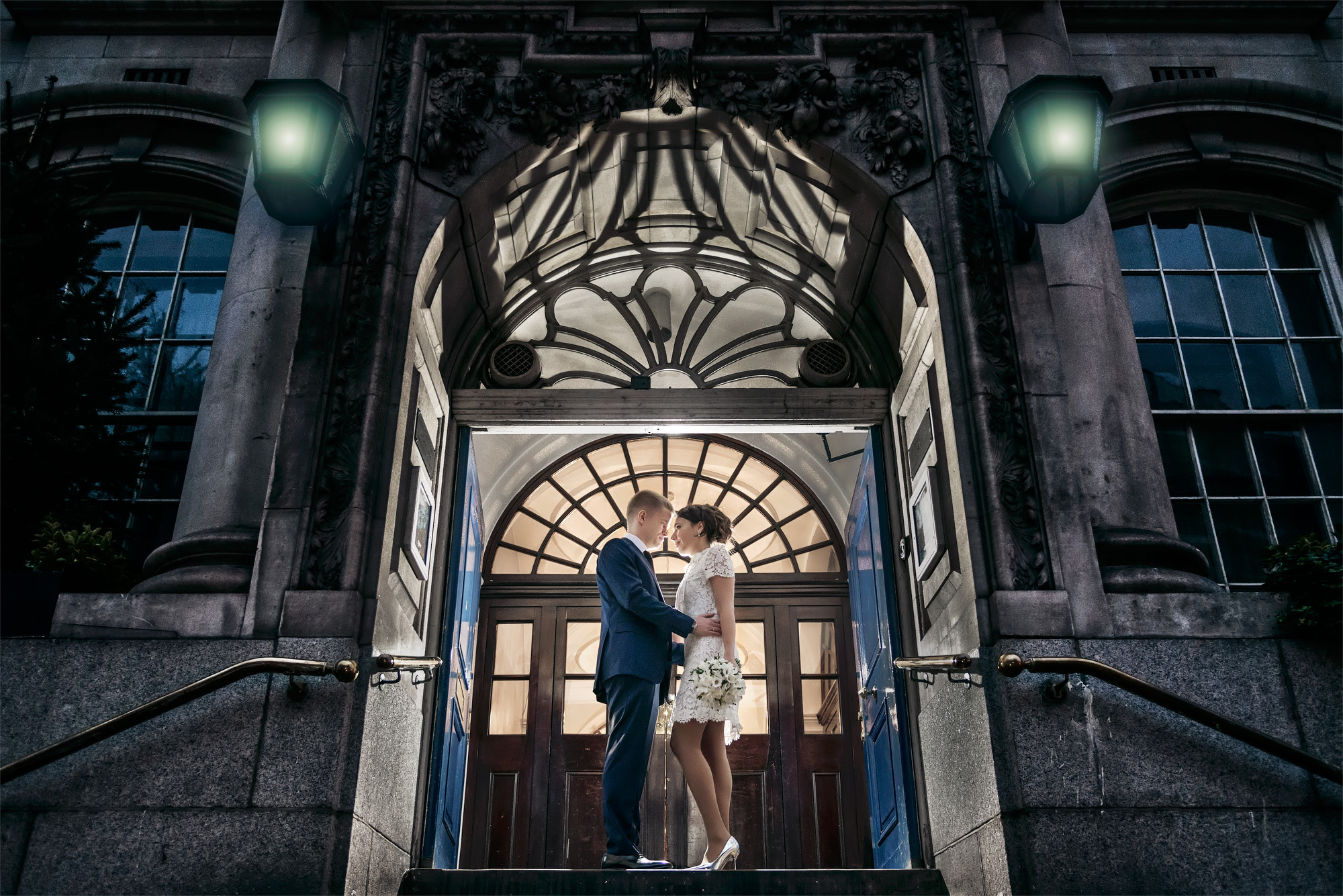
In the realm of low-light photography, especially within the vibrant and unpredictable environment of a wedding, mastering your camera settings is tantamount to orchestrating a symphony. Each setting plays a distinct note, and when harmonised, they create a composition that resonates with clarity, emotion, and depth. The delicate balance between ISO, shutter speed, and aperture is not just technical know-how; it’s the photographer’s vernacular, allowing them to converse eloquently with their surroundings and subjects.
The Balancing Act: Understanding the intricate dance between ISO, shutter speed, and aperture is crucial in low-light settings. Each of these settings influences the other, and finding the optimal balance is key.
- ISO: This setting determines your camera’s sensitivity to light. In low light conditions, a higher ISO is necessary to capture images without introducing excessive noise. It’s a delicate balance, as too high an ISO can lead to grainy photos, while too low an ISO might result in underexposed images.
- Shutter Speed: This controls how long your camera’s sensor is exposed to light. A slower shutter speed allows more light to hit the sensor, beneficial in low-light conditions. However, it also increases the risk of motion blur, especially in dynamic wedding scenes. Therefore, stabilisation tools like tripods or image stabilisation features become invaluable.
- Aperture: This determines how wide your lens opens when taking a photo. A wider aperture (a lower f-stop number) allows more light to enter the camera, ideal for low-light situations. It also offers a shallow depth of field, allowing for those beautifully blurred backgrounds that make the subject stand out.
Adapting to the Scene: Every wedding venue presents its unique lighting challenge. From the dimly lit interiors of a historic church to the subtle twilight of an outdoor setting, each scenario demands a photographer’s ability to adapt swiftly and proficiently.
- Scene Evaluation: Before adjusting the settings, a thorough evaluation of the scene is crucial. Understanding the source and quality of available light helps in making informed decisions about camera settings.
- Quick Adaptation: The ability to quickly adapt your camera settings to match the lighting conditions is what sets a professional apart. This involves not just technical knowledge, but also an intuitive understanding of how different settings will interact with the environment.
- Anticipation and Pre-emption: Often in weddings, moments unfold rapidly. Anticipating these moments and adjusting the camera settings preemptively ensures that you’re always ready to capture the shot with the right balance of light and clarity.
Mastering the settings of your camera in low light conditions is not just about technical expertise; it’s about understanding the language of light and shadow. It’s about realising that every setting adjustment is a step in the dance, a note in the melody, and a stroke on the canvas, contributing to the creation of images that are not merely seen but felt. The true mastery lies in the ability to make these adjustments second nature, allowing the focus to remain on the artistry of the moment, the emotion of the scene, and the story unfolding before the lens.

The Art of Using Artificial Lighting
In the atmospheric world of wedding photography, where each moment is steeped in emotion and every detail is imbued with significance, the role of artificial lighting transcends mere illumination. It becomes an instrument of creation, a means to sculpt, to paint, and to enhance. My journey through the nuances of artificial lighting in the context of wedding photography has not only honed my skills but has also provided me with invaluable insights, which I have had the privilege of sharing through teaching others how to use light to create beautiful wedding portraits.
The Subtle Touch of Flash: The use of flash in low light photography is a nuanced art. It’s about understanding the character and behaviour of light — how it falls, how it reflects, and how it can be shaped to complement the existing ambience. A flash, when used with finesse, can lift a photograph from the ordinary to the extraordinary.
- Balancing Flash with Ambient Light: The key lies in striking a balance between the flash and the ambient light. It’s not about overpowering the natural mood of the setting but about accentuating it. This involves adjusting the intensity of the flash and using techniques such as bouncing the light off ceilings or walls to diffuse it, creating a soft, natural glow.
- Understanding Flash Sync Speeds: Mastery over sync speeds ensures that the flash complements the camera’s shutter, allowing for a harmonious blend of natural and artificial light. It’s about capturing the vibrancy of the moment without losing the subtlety of the natural shadows and highlights.
- Off-Camera Flash for Depth and Drama: Utilising off-camera flash opens up a realm of possibilities, allowing for the creation of directional light, which adds depth and dimension to the photographs. It enables the crafting of dramatic portraits where the interplay of light and shadow can be meticulously controlled and used to highlight the emotional intensity of the moment.
Creative Illumination: The realm of artificial lighting offers endless possibilities for creativity. It’s not just about illumination but about using light as a painter uses his palette — to add depth, to create mood, and to direct focus.
- Strategic Placement of Light Sources: Whether it’s a spotlight casting a halo of light around the couple or a string of fairy lights twinkling in the background, the strategic placement of light sources can transform a setting. It’s about understanding how light interacts with the environment and using it to create a scene that’s ethereal and enchanting.
- Colour and Light: The use of coloured gels or lights can add a whole new dimension to a photograph. It can set the mood, evoke emotions, and transform the ambience. The warm glow of a golden light can evoke a feeling of warmth and intimacy, while a cool blue light can create a sense of calm and serenity.
- Continuous Lighting for Constant Vision: The use of continuous lighting, while challenging, offers the advantage of constant visibility. You see the light exactly as the camera captures it, allowing for real-time adjustments and a clear understanding of how the light shapes the scene. It’s particularly useful for capturing the intricate details of the wedding — the delicate lace of the bride’s gown, the subtle expressions on the couple’s faces, or the intricate floral arrangements.
In my experience, both as a photographer and as an educator, the true art of using artificial lighting lies in understanding its potential to transform. It’s about seeing light not just as a tool to illuminate but as a medium to create, to enhance, and to elevate. Whether through the subtle touch of flash or the creative use of continuous lighting, the goal remains the same — to use light to tell the story of the wedding, to capture the emotions of the moment, and to create images that are not just photographs but pieces of art, imbued with the magic of light.


