Exotic beach weddings: a photographer’s guide
Beach weddings look effortless in photographs and are the hardest kind to photograph well. Bright sun, white sand, white dress and dark suits is close to the worst combination a camera can be handed.
None of which is a reason not to do it. It’s a reason to plan it properly. Here’s what I’d tell you about the four destinations couples ask me about most, and the things that actually decide whether the pictures work.
The single most important decision: what time you marry
Get this right and everything else is detail.
Tropical sun at midday comes from directly overhead. It puts hard shadows under everyone’s eyes and nose, it blows out a white dress into a shape with no detail, and it makes people squint in every frame. There is no photographer alive who makes noon on a beach look like the pictures you’ve been saving.
The fix is free: marry in the last two hours before sunset. The sun drops low, the light comes across your faces instead of down onto them, and the sea goes gold. Every beach wedding photo you’ve ever admired was taken at that time of day.
Near the equator sunset is around six all year, and dusk is short — maybe twenty minutes rather than the hour you get in England. So a four or five o’clock ceremony, drinks as the sun goes down, dinner after dark. That’s the shape of a good beach wedding day.
The Maldives
Twenty-six atolls in the Indian Ocean, and the most private option on this list — many resorts are a single island, so your wedding party is effectively the whole population for the week.
Venues: One&Only Reethi Rah, Soneva Fushi, Cheval Blanc Randheli.
What it gives you photographically: water in three colours in the same frame, overwater villas with clean lines, and sandbanks you can be alone on. Drone footage earns its place here — the atolls only make sense from above.
What to know: the dry season runs roughly November to April; May to October is wetter. Guest numbers tend to be small because getting there is a commitment, and seaplane transfers stop at dusk, which affects arrival planning more than people expect.
Seychelles
115 islands, and the most photographically varied of the four. The giant granite boulders on La Digue and Praslin are unlike anything in the Maldives or the Caribbean — grey, rounded, enormous, and a fantastic thing to put people against.
Venues: North Island, Four Seasons Seychelles on Mahé, Six Senses Zil Pasyon on Félicité.
What it gives you photographically: texture. Boulders, jungle, hillsides and beach within a short distance, so a portrait session doesn’t have to be four versions of the same sand.
What to know: it’s less developed for weddings than the Maldives, which is part of the appeal and does mean more of it falls to you or a planner.
Bali
The most flexible of the four, and the best value. Clifftop, beach, rice terrace or jungle, all within an hour or two of each other.
Venues: Amankila, Alila Villas Uluwatu, Four Seasons Bali at Sayan.
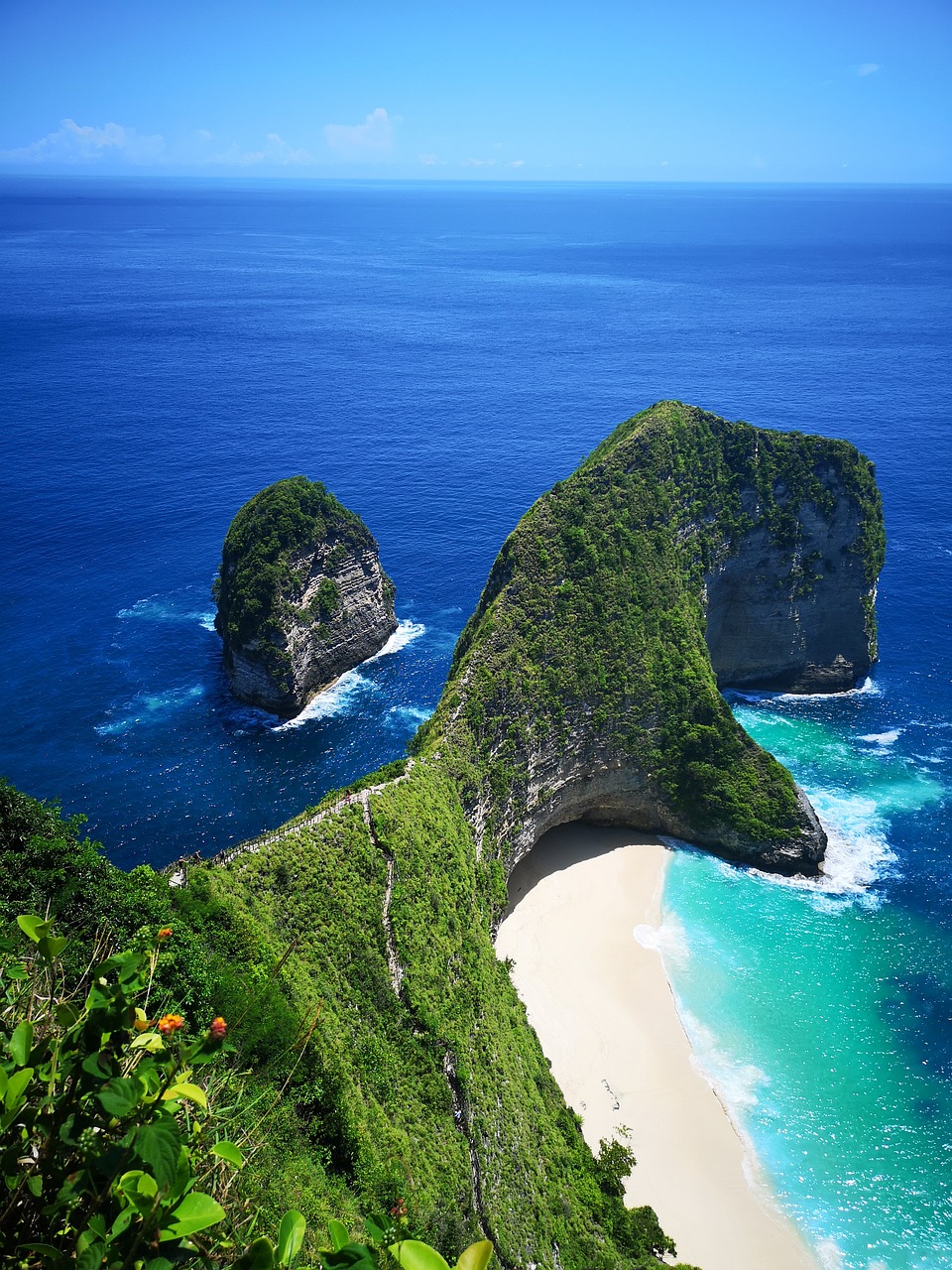
What it gives you photographically: variety in one day, and a culture that’s visually rich rather than decorative — offerings, carving, dancers, colour. The clifftops at Uluwatu at sunset are as good as anywhere in the world.
What to know: wet season is roughly November to March. Bali is also the one destination where I’d push you to do a session the morning after the wedding — early light, empty beach, and you’re relaxed because the day is done. Those are often the best pictures of the whole trip.
The Caribbean
The easiest for guests. Direct flights from the UK and North America mean more people will actually come, which for a lot of couples is the deciding factor.
Venues: Jade Mountain in St Lucia, Sandy Lane in Barbados, Necker Island in the BVI.
What it gives you photographically: colour and landscape. The Pitons behind a couple in St Lucia is a backdrop nothing on a flat atoll can match.
What to know: hurricane season runs June to November, with the highest risk from August to October. December to May is the safer window and the busier, pricier one. Worth taking insurance seriously either way.
Six things nobody tells you
- Check whether your ceremony is legal or symbolic. In several of these countries a foreign wedding is symbolic and the legal marriage happens at home before or after. That’s completely normal — but find out early, because it changes your paperwork and sometimes your date.
- Sand reflects light upwards. That’s why beach portraits look luminous, and also why it fools cameras into underexposing. It needs handling deliberately; a photographer who works in this light knows to expose for the faces and let the sand go bright.
- Humidity fogs lenses. Moving from an air-conditioned room to outside puts condensation on everything. I let gear acclimatise before it’s needed. Worth knowing if you’re wondering why your photographer arrived early and did nothing for twenty minutes.
- Wind is constant on a beach. Veils, loose hair and light fabric will move. Usually that’s better, but a heavily structured up-do is fighting the location.
- Guests are paying to attend. Fewer people will come than you’d get at home, and the ones who do are giving you a week. Build in time with them — it’s the real advantage of a destination wedding over a one-day event.
- Budget a day either side for me. Flights get delayed. I don’t fly in the morning of a wedding, anywhere.
Planning one?
Get in touch with your dates and destination. I’ve been photographing weddings for over twenty years, a good number of them abroad, and I’m happy to talk through timings before you’ve booked anything — that’s when the advice is worth most.