iPhone photography tips for wedding guests
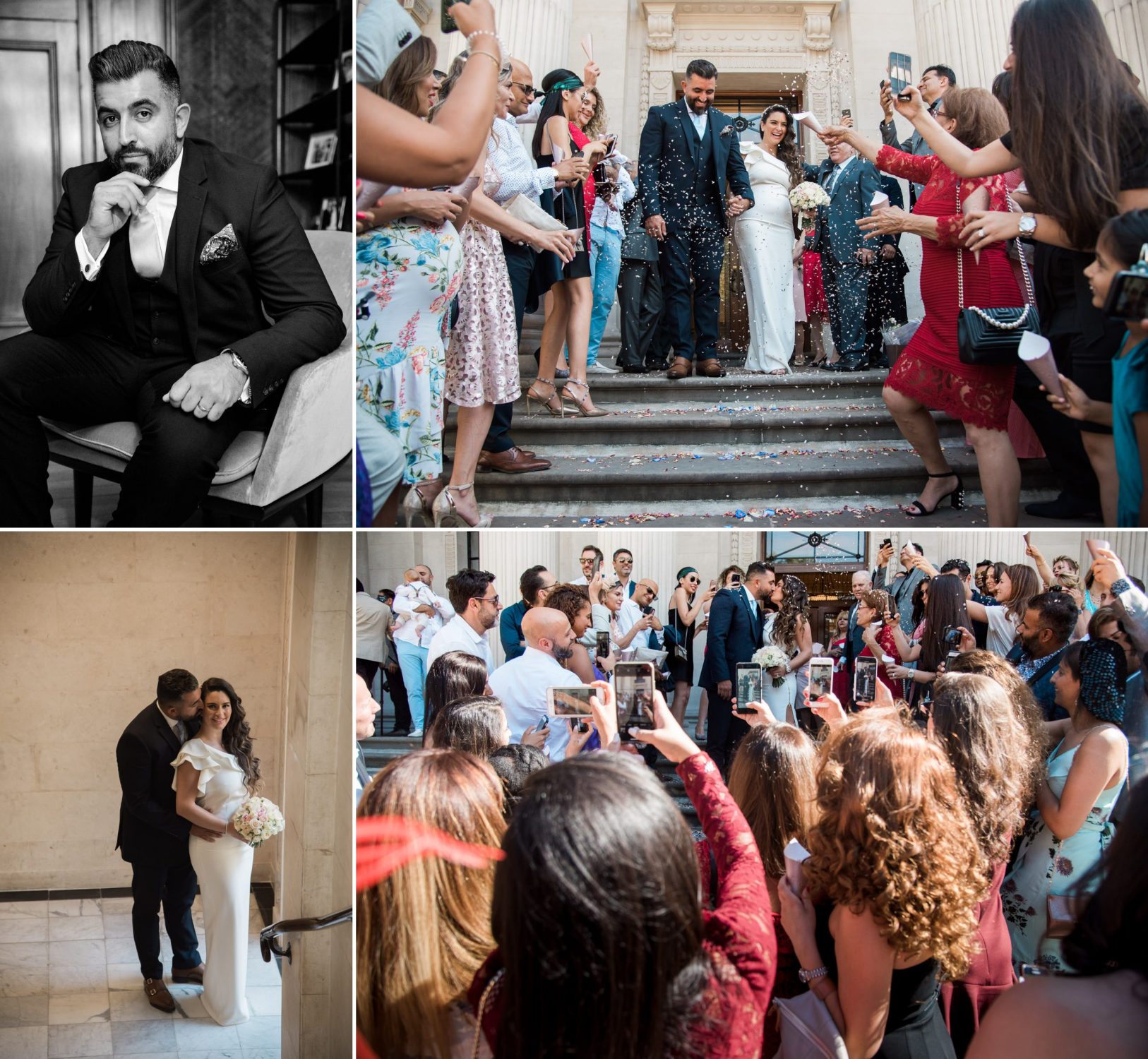
Everyone at a wedding has a camera in their pocket now, and I’ve long since stopped fighting it. Guest photographs are part of how a wedding gets remembered — the ones from the table, from the dance floor, from the taxi at the end. I’m not getting those.
What I would ask is that you take them without ending up in mine. So here’s how to get better pictures on your phone at a wedding, and how to stay out of the way while you do it.
The one rule that actually matters
Don’t step into the aisle.
That’s it. That’s the rule. Everything else on this page is a refinement.
The bride walks up the aisle once, it takes about forty seconds, and I get one attempt at it from a fixed position at the front. A phone held out into that gap — even for a second, even at arm’s length — puts itself between me and the only version of that moment there will ever be. It is the single photograph most often lost at weddings, and it’s almost always lost the same way.
Stay in your seat, keep your elbows in, and shoot over the row in front rather than out into the gap. You’ll get your picture. So will I.
Check whether it’s an unplugged ceremony first
Some couples ask for phones away during the ceremony itself. If there’s a sign, or the registrar says it, take it seriously — it’s a decision the couple made deliberately, usually because they’d rather look out at faces than screens.
It nearly always applies to the ceremony only. Once everyone’s outside with a drink, the phones come back out and nobody minds.
Turn the flash off and leave it off
Your phone’s flash will not light a room. It reaches about six feet, it flattens everything it hits, and in a dim church or a candlelit reception it will make a worse photograph than the one you’d have got without it.
It also lands in my frame as a hard white blink at exactly the wrong moment — during the vows, the speeches, the first dance. Modern phones handle low light genuinely well now. Trust the sensor.
Where to stand, and when
The drinks reception is the best hour of the day for guest photographs and the most consistently wasted. People are standing in groups, holding a glass, talking to someone they haven’t seen in five years. Nobody is posing. That’s when the good ones happen.
During the speeches, shoot from where you’re sitting. During the first dance, give it thirty seconds before you move — the floor fills up quickly and the first half-minute is the only time there’s a clear view.
And if you want a picture with the couple, ask during the reception rather than in the receiving line. They’ll have more time and you’ll get a better photograph.
Getting more out of the camera itself
Four things that make a real difference, in order of how much they matter.
Find the light before you find the angle. Look at where it’s coming from, then move so it falls on the person’s face rather than behind them. Standing with a window behind your subject is the most common reason a phone photograph comes out as a silhouette.
Tap to expose, then drag down. Tap the face you’re photographing, then slide your finger down a touch to darken the shot slightly. Phones routinely overexpose in bright rooms, and a blown-out white dress can’t be recovered afterwards. A slightly dark photograph can.
Get closer rather than zooming. Digital zoom is a crop. Two steps forward gives you a better file than pinching the screen ever will.
Watch the background. The difference between a snapshot and a photograph is very often just moving a foot to the left so there isn’t a fire exit sign growing out of someone’s head.
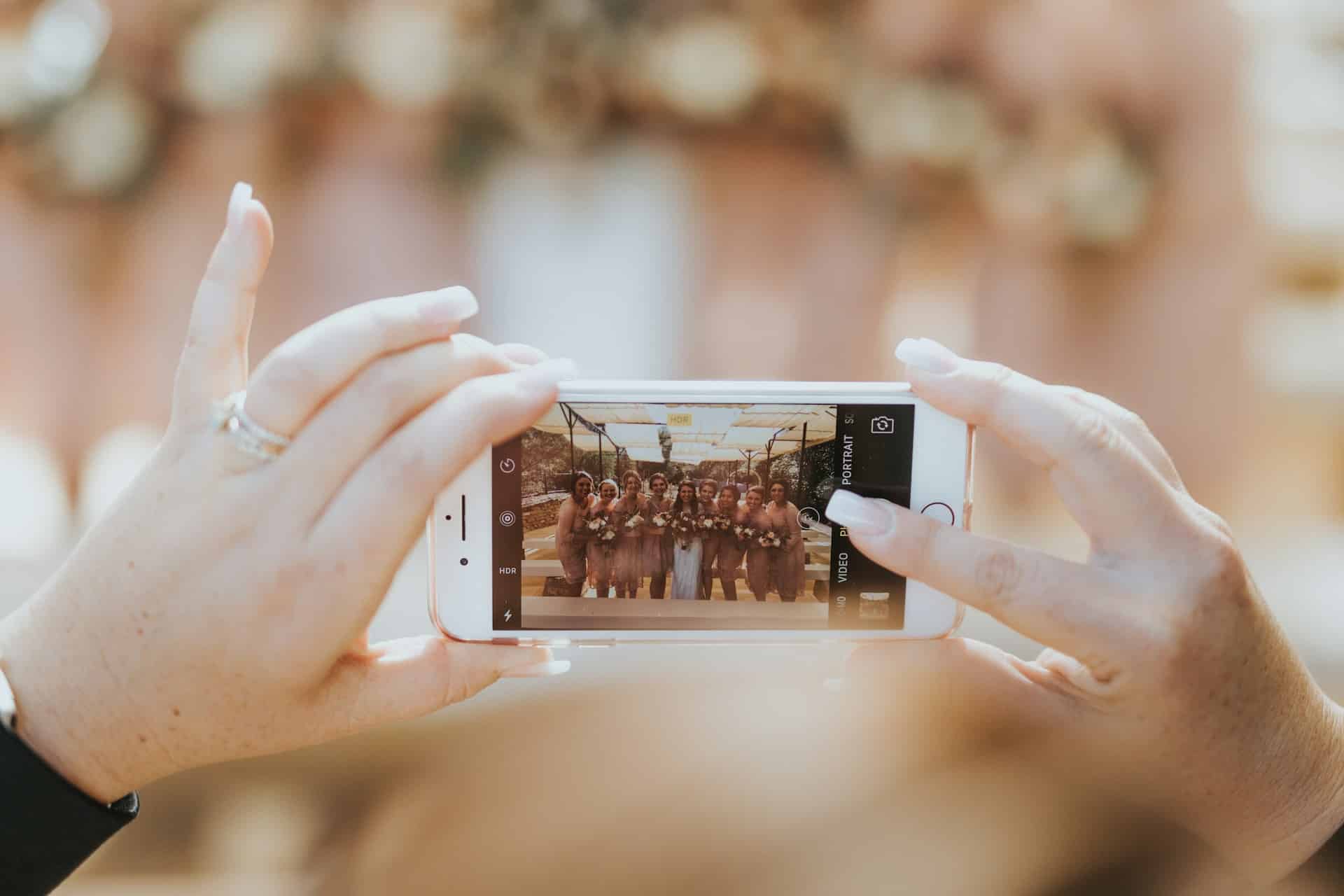
How to edit photos on iPhone to look professional
This is where most phone photographs are won or lost, and where most of them get ruined. The instinct is to reach for a filter. Don’t — start with the sliders in the Photos app instead, in this order.
Straighten it. Crop, then rotate until the horizon or the wall line is level. A tilted room reads as an accident. This one step does more for how “professional” a photograph looks than anything else on the list, and almost nobody does it.
Exposure and brightness, gently. Get the face right and let the rest fall where it falls. Don’t lift the whole image until the shadows go grey — that flat, milky look is the clearest sign of an over-edited phone photo.
Pull the highlights down, lift the shadows a little. On a wedding photograph this usually means recovering detail in the dress and opening up a dark suit. Small moves. Ten or fifteen points on the slider, not fifty.
Leave the warmth mostly alone. Receptions are lit warm on purpose — candles, tungsten, the lot. Cooling it down to “correct” it strips out the atmosphere that made you take the picture. If anything, nudge it warmer.
Then take the saturation down slightly. This is the counterintuitive one. Amateur edits go up; professional edits usually go down. Over-saturated skin is the single fastest way to make a photograph look like a phone snap, and pulling vibrancy back a few points does more than any filter.
If you want to go further, Lightroom Mobile and Snapseed both give you proper control. But honestly — straighten, expose for the face, ease the saturation back. That’s ninety per cent of it.
What I’d avoid: heavy filters, the strong HDR look, anything that turns skin orange, and any edit you’d be embarrassed to show the couple.
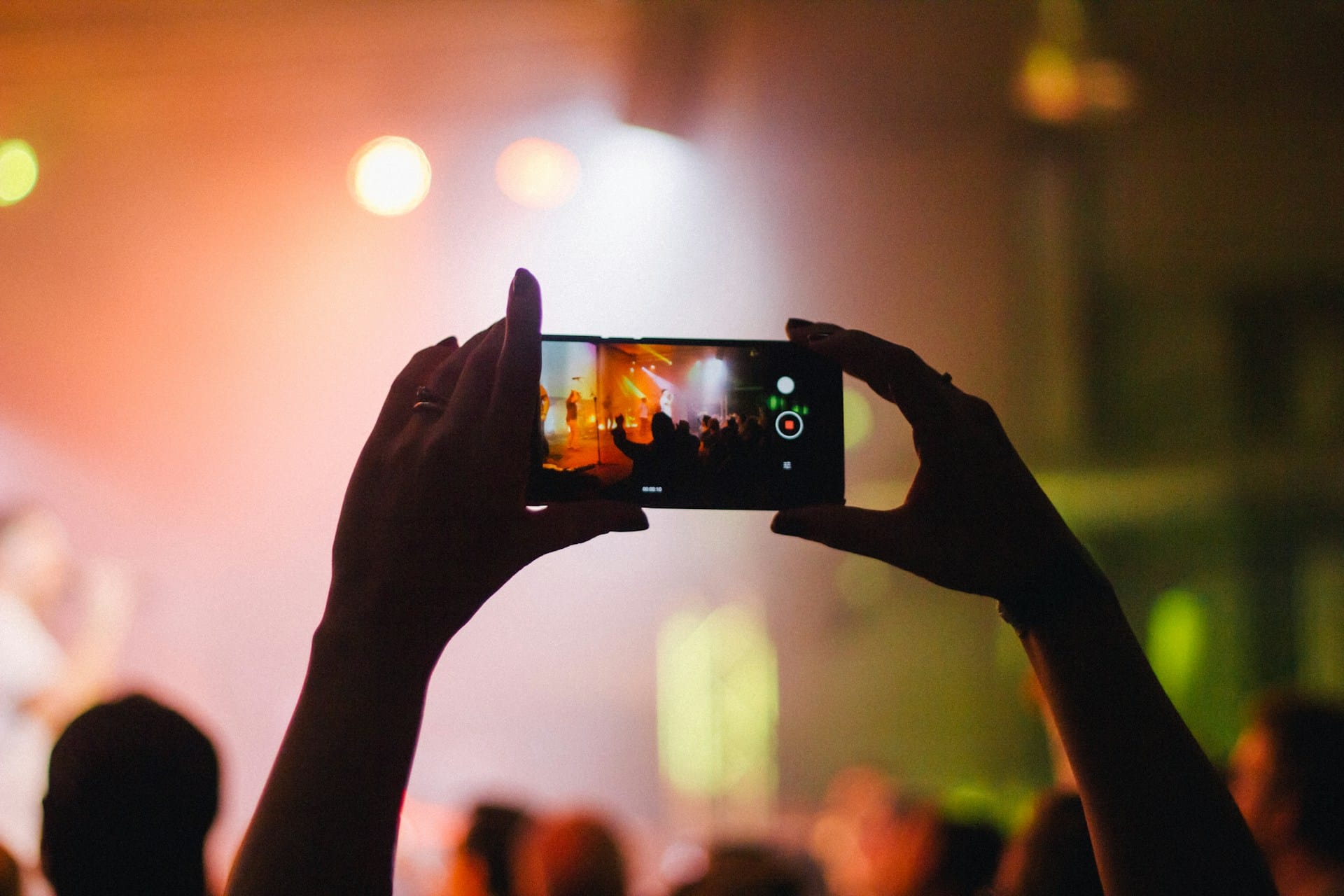
Send them to the couple
This is the part people forget, and it’s the part the couple actually want.
My gallery goes to them within a week of the wedding — next day for the shorter register office packages. What it won’t contain is the table you were sitting at, the conversation at the bar, or whatever happened after I left. Those are yours to give them.
Put them in a shared album rather than posting them first. Some couples want everything online immediately and some would rather see their own photographs before anyone else does, and you can’t tell which from the outside.
And then put it down
The best thing you can do at a wedding with a phone in your hand is use it for ten minutes and then stop.
You were invited because the couple wanted you in the room, not documenting the room. I’m already photographing it, that’s the arrangement, and I’ll be doing it whether you’re watching through a screen or not.
Here’s what’s possible on a phone at a wedding, for what it’s worth.
If you’re the one getting married rather than attending, how to get the best photos on your wedding day is the more useful page — and if you’re still looking for a photographer, my prices are here.
— Barrie