Light and airy wedding photography: what it is and what to ask
“Light and airy” is one of the two styles couples mention most when they first get in touch. The other is dark and moody. Both describe how the pictures are edited more than how they’re taken, and it helps to know what each one actually involves before you choose a photographer.
What it looks like
Bright pictures. Soft shadows. Pale, slightly muted colour: greens pulled back towards sage, skin kept warm, whites clean rather than blue. The overall feel is a sunny day even when it wasn’t one.
The look came from film. Fuji 400H, shot and scanned a stop or so brighter than the meter said, gave exactly this: pastel colour and very forgiving skin tones. Fuji stopped making it in 2021. Almost everyone who delivers the look now, me included, shoots digital and edits towards it.
That’s not a cheat. It just means the style is a set of editing choices, and you should judge a photographer on whether they can hold those choices across a whole wedding.

Light and airy or dark and moody?
Light and airy lifts everything. Shadows are opened up and the whole frame feels open and bright.
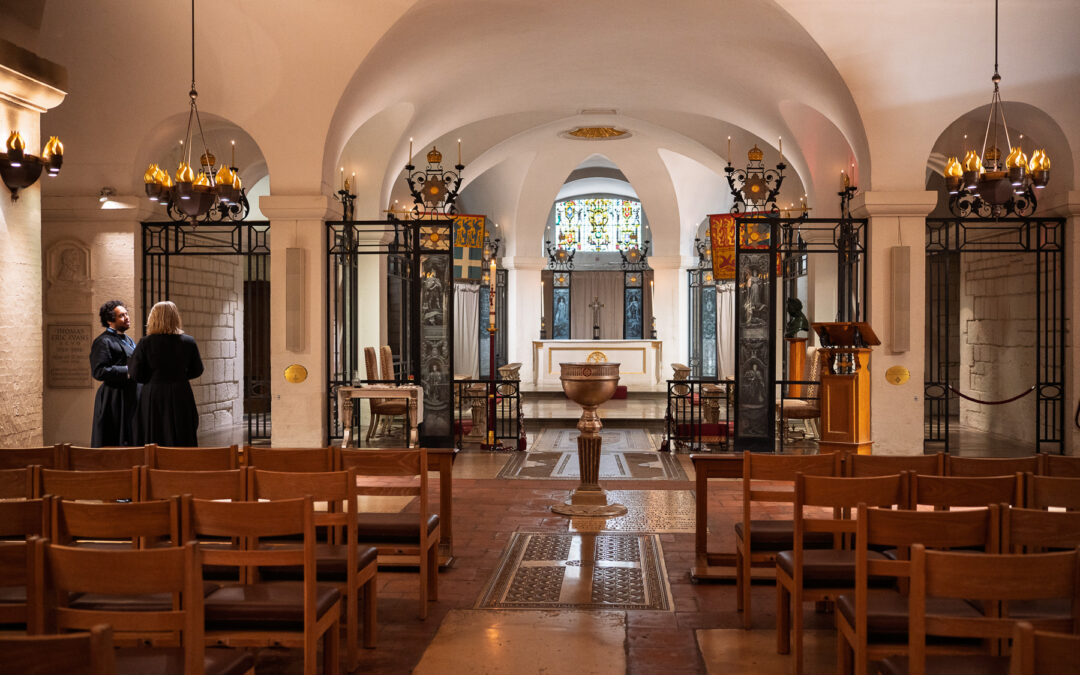
Dark and moody does the opposite. It keeps the shadows deep, lets the edges of the frame fall away and puts all the attention on the faces in the light. It suits evening receptions, candlelit rooms and dark panelled venues.
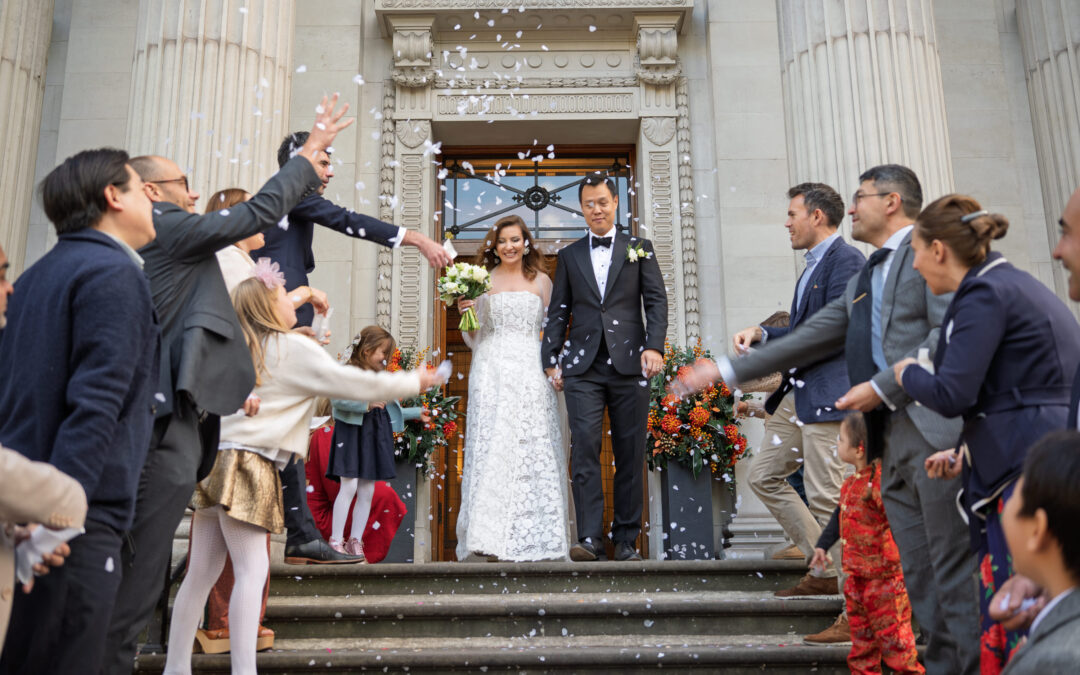
Neither is better. The useful question is which one suits your venue and the time of year. A June garden wedding in Sussex will look light and airy with very little help. A December ceremony in a London town hall at four o’clock won’t, and forcing it there tends to give you grey, washed-out pictures.
Where it works, and where it doesn’t
- Works well: outdoor ceremonies, barns with big doors, pale stone and white walls, summer weddings, open shade under trees, overcast days.
- Harder: dark wood panelling, deep red or green rooms, dance floors under coloured lights, winter afternoons.
An overcast day is not bad news for this style. Cloud is a huge softbox. It’s harsh midday sun that causes trouble, with hard shadows under eyes and squinting. On a bright day I’ll look for open shade, a doorway or the side of a building before I’ll put anyone in full sun.

How it’s done on the day
Most of the look is decided before the edit.
- Expose for skin. I’d rather a white dress sits close to the top of the histogram than have faces come out dark. Lifting a dark face later adds noise and flattens it.
- Keep the light behind or beside people. Backlight gives you the glow around hair and shoulders that people associate with the style.
- Keep backgrounds simple. Pale walls, sky, grass, water. A busy, dark background fights the edit.
- Don’t blast flash. Direct flash kills the soft look straight away. Indoors I’d rather use window light and a higher ISO.
Kit matters less than people think. I’ve shot most of my weddings for the last six years on one body and a 24-70mm f/4. A fast prime helps in dark rooms, but it won’t make a picture light and airy on its own.

How it’s done in the edit
The broad strokes are the same in any editor:
- raise exposure and lift the shadows, but keep detail in the dress;
- pull saturation out of greens and blues, and move greens slightly towards yellow;
- keep skin warm so people don’t go grey;
- lift the blacks a touch so nothing is ever fully black.
Presets get you started. They don’t finish the job. A preset built for a sunny garden will do strange things to a room lit by tungsten bulbs, so every scene needs adjusting by hand. That’s where the time goes.
What to ask a photographer
- Can I see a full gallery? Not the highlights. The whole thing, including the evening. Consistency is the hard part.
- What happens indoors or after dark? Every wedding has an indoor part. See how they handle it.
- What if it rains? The answer should be a plan, not a shrug.
- Is my venue suited to it? A good photographer will tell you honestly if your room won’t look like their summer barn weddings.

The bit that matters more than the edit
Editing styles come and go. The pictures couples keep coming back to are the ones of people they love reacting to something. Pick a photographer whose edit you like, but pick them mainly because they’re watching faces when it happens.
Planning a wedding? Have a look at my London wedding photographer prices, or read how to get the best photos on your wedding day.