Wedding photography trends: what’s actually changing
Most trend pieces are written by people who don’t shoot weddings. This is what I’ve watched actually change over the last few years, and a couple of things that were supposed to change and didn’t.
Documentary has won
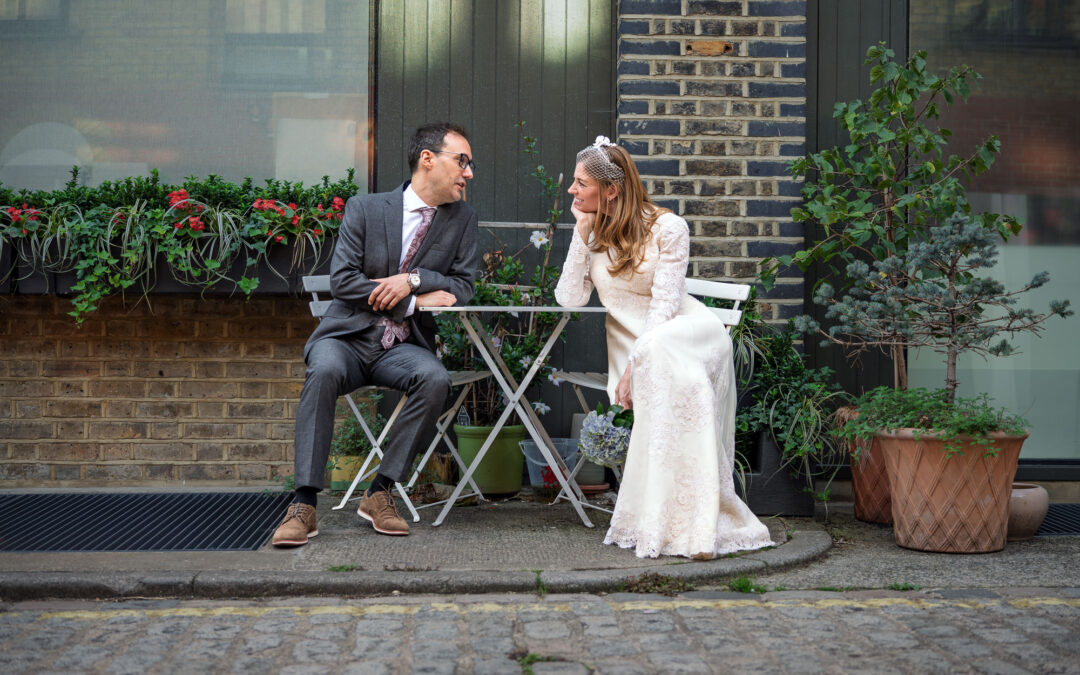
Ten years ago couples asked for a shot list. Now most ask for the opposite — photograph the day, stay out of the way, don’t line everyone up.
That’s the biggest shift and it’s not going back. It’s how I’ve always preferred to work: find two or three positions before a moment happens rather than react after it, and photograph what people are actually doing.
The caveat nobody mentions is that pure documentary leaves gaps. You still want a handful of proper portraits and the family groups your parents will want on a wall. Twenty minutes of arranged pictures in a whole day is plenty — but zero is a decision you may regret.

Smaller weddings, and they’re not going away
Micro-weddings and elopements were supposed to be a temporary thing. They weren’t.
A lot of couples now do the legal ceremony at a register office with immediate family, then spend the money on a party they actually want. Others go abroad with twelve people. Both produce better photographs than a hundred-guest wedding, for a simple reason: when everyone in the room actually knows the couple, nobody performs.
Small days also change my job. There’s more time, fewer group shots to grind through, and often I end up half-guiding the running order because there’s no coordinator. That suits me.

Mirrorless changed what’s possible in dark rooms
This is the technical change that actually mattered, and couples feel it without knowing the cause.
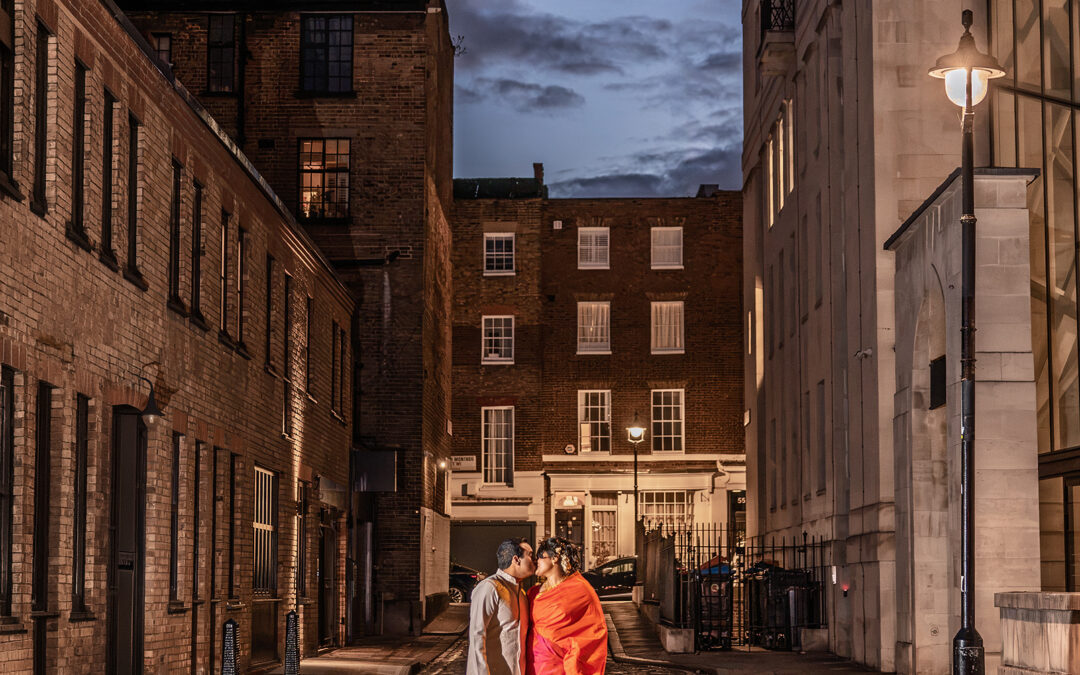
Modern mirrorless cameras focus and hold detail in light where film and early digital simply couldn’t. In practice that means I don’t put flash on a ceremony. A dim panelled hall or a December town hall at four o’clock can be photographed as it looked, rather than lit up until it looks like somewhere else.
If you’re choosing a photographer, this is worth asking about directly: what do you do in a dark ceremony room? Someone lighting the whole space is giving you photographs of a different building.
Drones: less useful in the UK than the internet suggests
Worth being straight about this one.
Drone footage is spectacular at a country estate with open ground. But commercial drone work in the UK needs the right CAA registration and qualifications, permission from the landowner, and airspace that allows it — and much of central London is restricted or built-up enough that flying isn’t an option at all.
So if you’ve seen aerial wedding footage and want it, ask early whether it’s legal and permitted at your venue. Half the time the answer is no, and it’s better to know that before it’s in your head as part of the day.
The film look, honestly
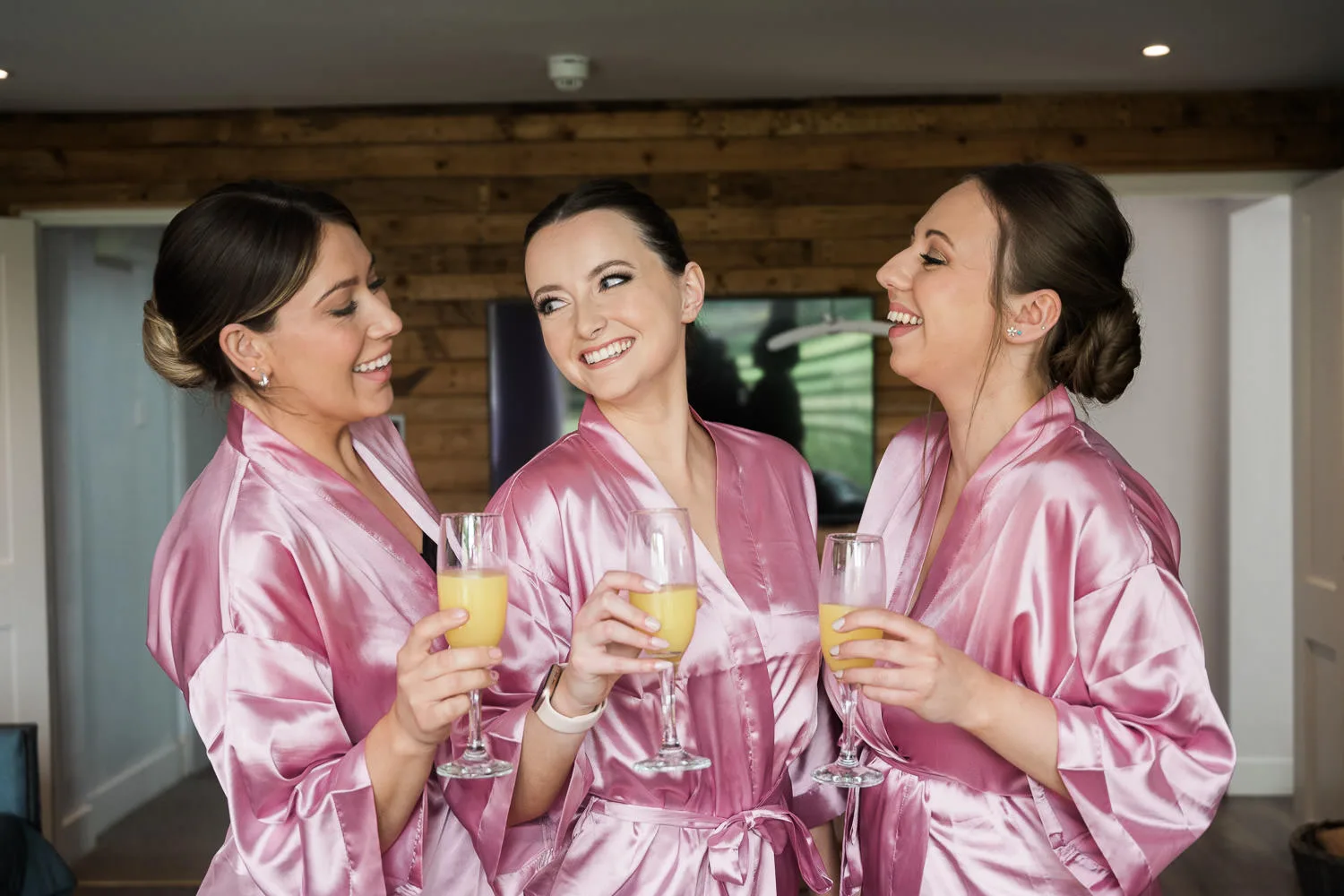
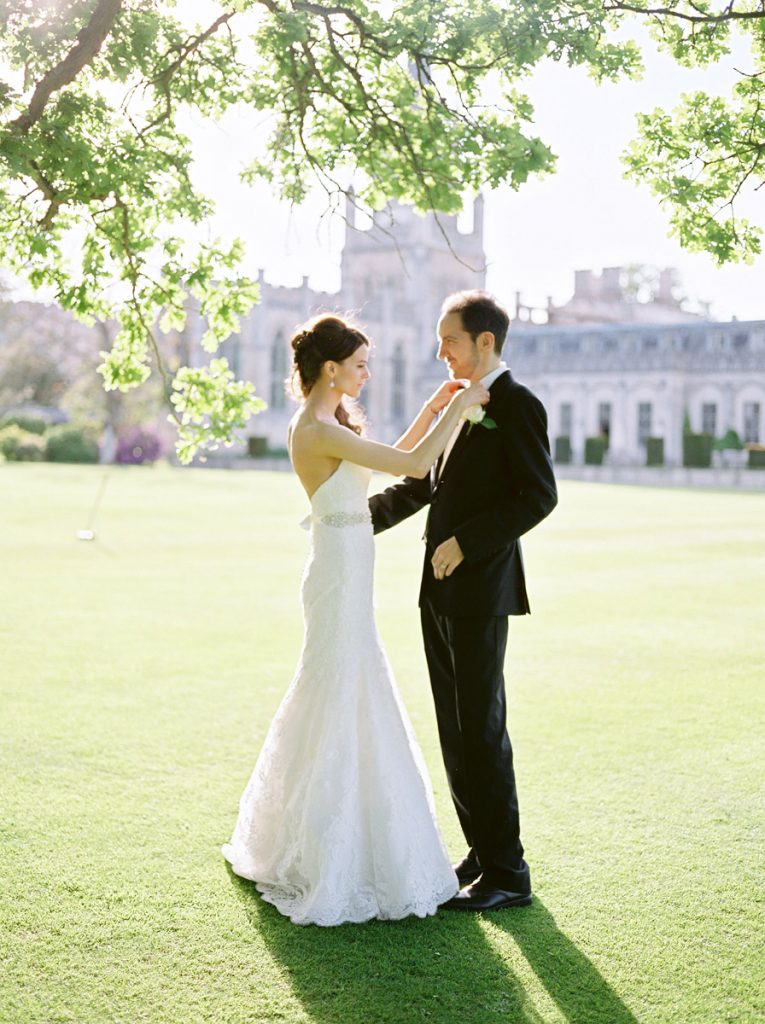
The soft, pastel, slightly faded look that people call “filmic” is still in demand and I understand why — it ages well and it flatters skin.
Here’s the honest bit. Almost everyone delivering that look now, myself included, shoots digital and finishes to it. Actual medium format film shooting is a small niche, it’s slow, it’s expensive per frame, and the stock most associated with that look was discontinued years ago.
That doesn’t make the digital version a cheat. It means the look is a set of choices in editing — muted greens, lifted blacks, warm skin — rather than a camera you buy. What matters is whether the photographer’s editing is consistent across a whole wedding, not just the six frames on their homepage.
Ask to see a full gallery. That’s where you find out.
Sustainability, in the parts that are real
Most of what gets written here is decoration. The parts that actually reduce impact:
- Digital delivery instead of default print packages. Most couples want a handful of prints they’ll actually hang, not a mandatory album they never open.
- Local suppliers. Booking a photographer who lives an hour away rather than flying one in.
- One venue for the whole day. Fewer cars, and a better day for everyone anyway.
What isn’t real is a photographer claiming a wedding is greener because they used rechargeable batteries. Be sceptical of that.
What was supposed to happen and didn’t
VR and 360-degree wedding films. Predicted every year for a decade. Nobody watches them. The equipment is intrusive on the day and the output needs a headset almost nobody owns.
Phones replacing photographers. Phone cameras have got extraordinary, and it’s made no difference at the top end. What you’re paying for isn’t the sensor — it’s someone who knows the moment is coming and is already standing in the right place.
Unplugged ceremonies going universal. They’ve become more common and they’re a good idea, but plenty of couples still don’t ask for one. If you want one, say so — the registrar will usually announce it for you.
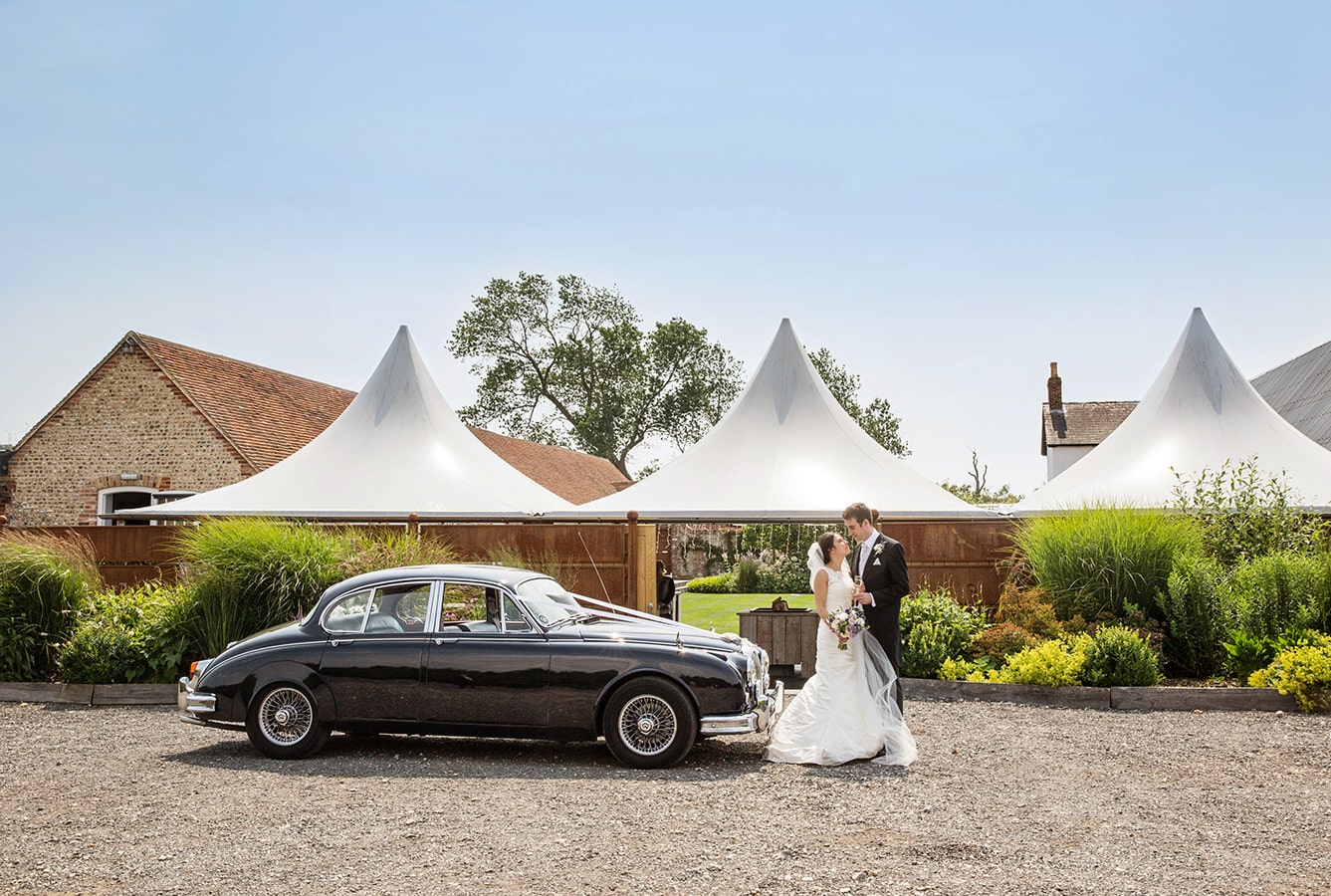
The one that never changes
Whatever the trends do, the photographs couples actually keep are of people they love reacting to something. Not the flowers, not the venue, not the drone shot.
Everything above is worth knowing. None of it matters as much as booking someone who’ll be watching faces when it happens.
Planning a wedding? Have a look at my prices and send me your date.