What you’re actually paying for with a wedding photographer
Wedding photography quotes vary enormously and the reasons usually aren’t explained. Here’s the honest breakdown, from someone who’s been sending these quotes for over twenty years.
It isn’t the camera
Let’s get this out of the way. The equipment costs what a decent second-hand car costs, it lasts years, and its share of any single wedding fee is small.
Anyone justifying a price by listing kit is telling you about the wrong thing. A phone in the right hands at the right moment beats a £6,000 camera pointed at the back of someone’s head.
It’s the hours you don’t see
This is the bulk of it, and almost nobody realises.
A ten-hour wedding is not ten hours of work. Add the enquiry and the meeting, working through your timings, the venue research if I haven’t shot there, the travel, and then — the big one — the editing.
Culling and editing a full wedding takes days, not hours. Every image that reaches you has been chosen from several near-identical frames and then individually corrected so that the whole gallery looks consistent, rather than shifting colour every time we moved between rooms. That consistency is invisible when it’s done well and glaring when it isn’t.
Then there’s the backing up, the gallery, the emails afterwards, and the storage of your files for years.
It’s the risk
You get one attempt. There’s no reshoot.
What you’re buying protection against:
- Equipment failure. Two bodies, spare lenses, spare batteries, dual card slots. The second camera exists purely for the day the first one dies.
- Losing the files. Cards offloaded to two places before I sleep, backed up again before editing, kept afterwards.
- Insurance. Public liability and equipment cover. Most decent venues ask for the certificate before they’ll let anyone work.
- Illness. Ask any photographer what happens if they can’t make it. A professional has a network of people who’d cover. Anyone without an answer is a risk.
None of this shows up in the photographs. All of it is what separates a business from a hobby.

It’s knowing what’s about to happen
The hardest thing to price and the thing that actually makes the difference.
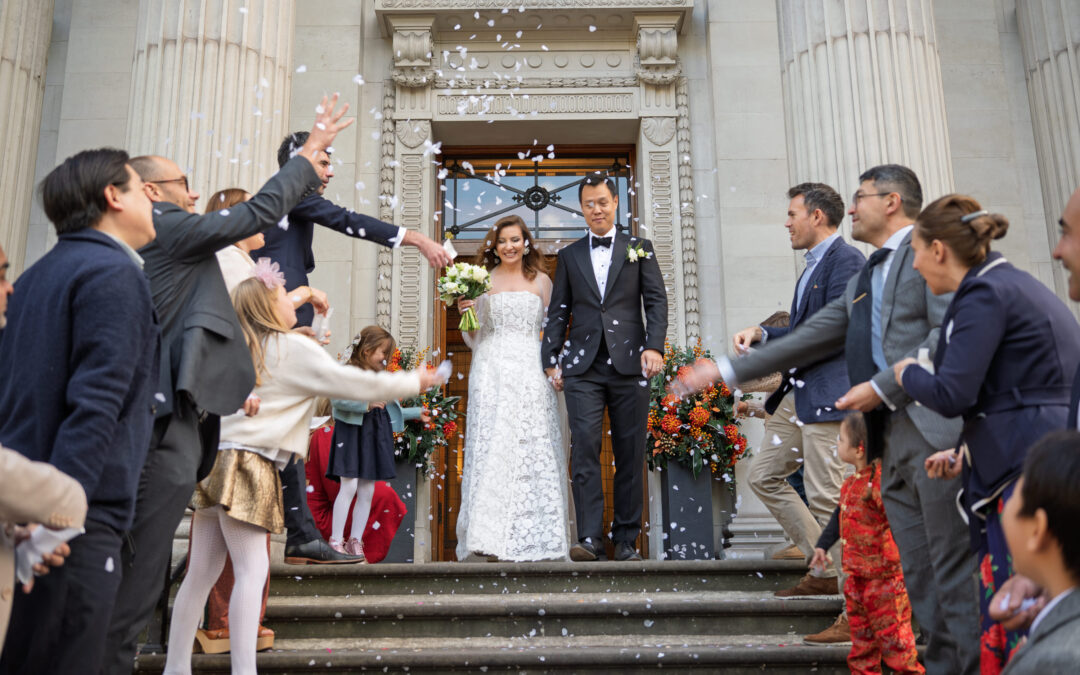
Experience mostly means knowing where to stand before a moment happens rather than reacting after it. That the father of the bride’s face is worth more than the bride’s during the entrance. That the good confetti frame is half a second after everyone throws. That in a register office you get the steps for four minutes and then you don’t.
You can’t see this in a portfolio. You can only see its results.
It’s the day running smoothly
An experienced photographer costs you less time, not more.
Family groups done in fifteen minutes because the list was agreed in advance. Portraits that take twenty minutes rather than an hour. No standing around while someone works out where the light is. Weddings where the photography drags are almost always weddings where the photographer was improvising.
What to actually ask before you book
Far more useful than comparing prices:
- Can I see a complete wedding, start to finish? The single best question. Anyone can assemble twenty good frames. You want to know what the other four hundred look like.
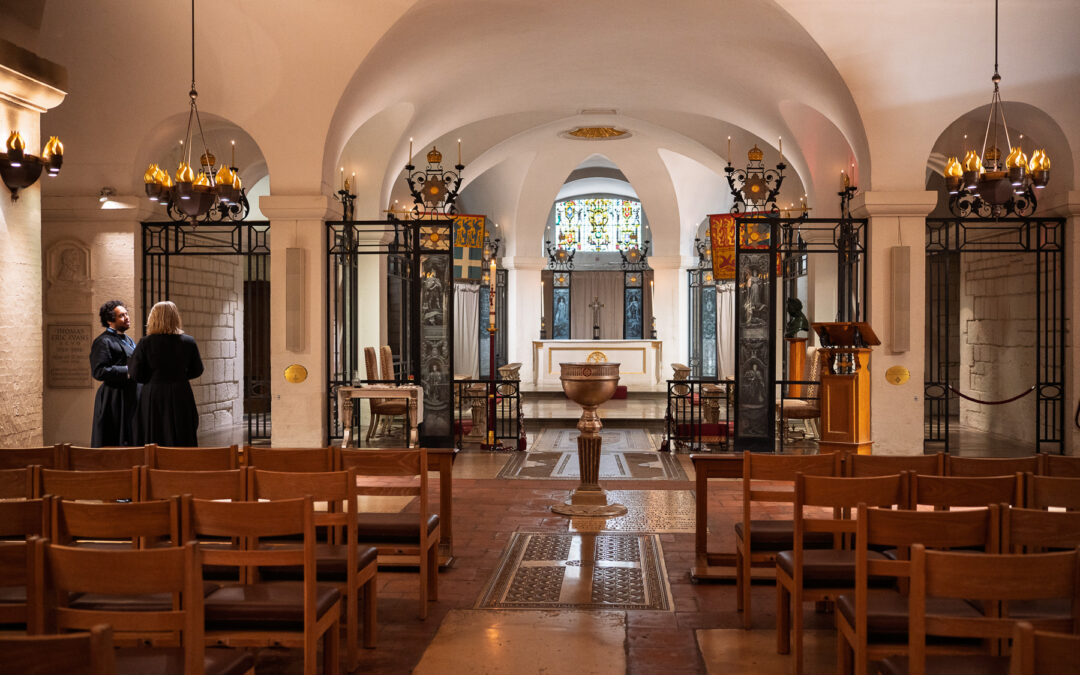
- What do you do in a dark ceremony room? Someone who lights the whole space gives you photographs of a different building.
- How many images do I get, and are they all edited? “Edited” should mean every delivered image, not a highlights reel with the rest dumped in raw.
- When will I get them? Get a number, and ask what happens if it slips.
- What’s your backup plan for the files, and for you?
- Have you shot at my venue? Useful, not essential. Someone who hasn’t but asks good questions about it is better than someone who has and is coasting.
Where the money actually goes
Roughly, for a full-day wedding: the day itself is maybe a third of the time involved. Editing is another third. The rest is enquiries, planning, admin, travel, insurance, equipment replacement, storage and tax — plus the weekends in January when nobody gets married and the bills still arrive.
That’s why a full day costs what it costs. Not because a camera is expensive.
Is expensive always better?
No. But very cheap is reliably risky.
Below a certain point, the sums don’t work for anyone doing this full-time — which means you’re likely booking someone doing it alongside a job, with one camera, no insurance and no cover if they’re ill. Sometimes that’s completely fine. Often it’s why people end up disappointed.
The sensible approach is to work out what the photographs are worth to you, set that budget honestly, and then choose on the work and the person rather than on the fee. You’ll be spending a whole day with them.
How I work
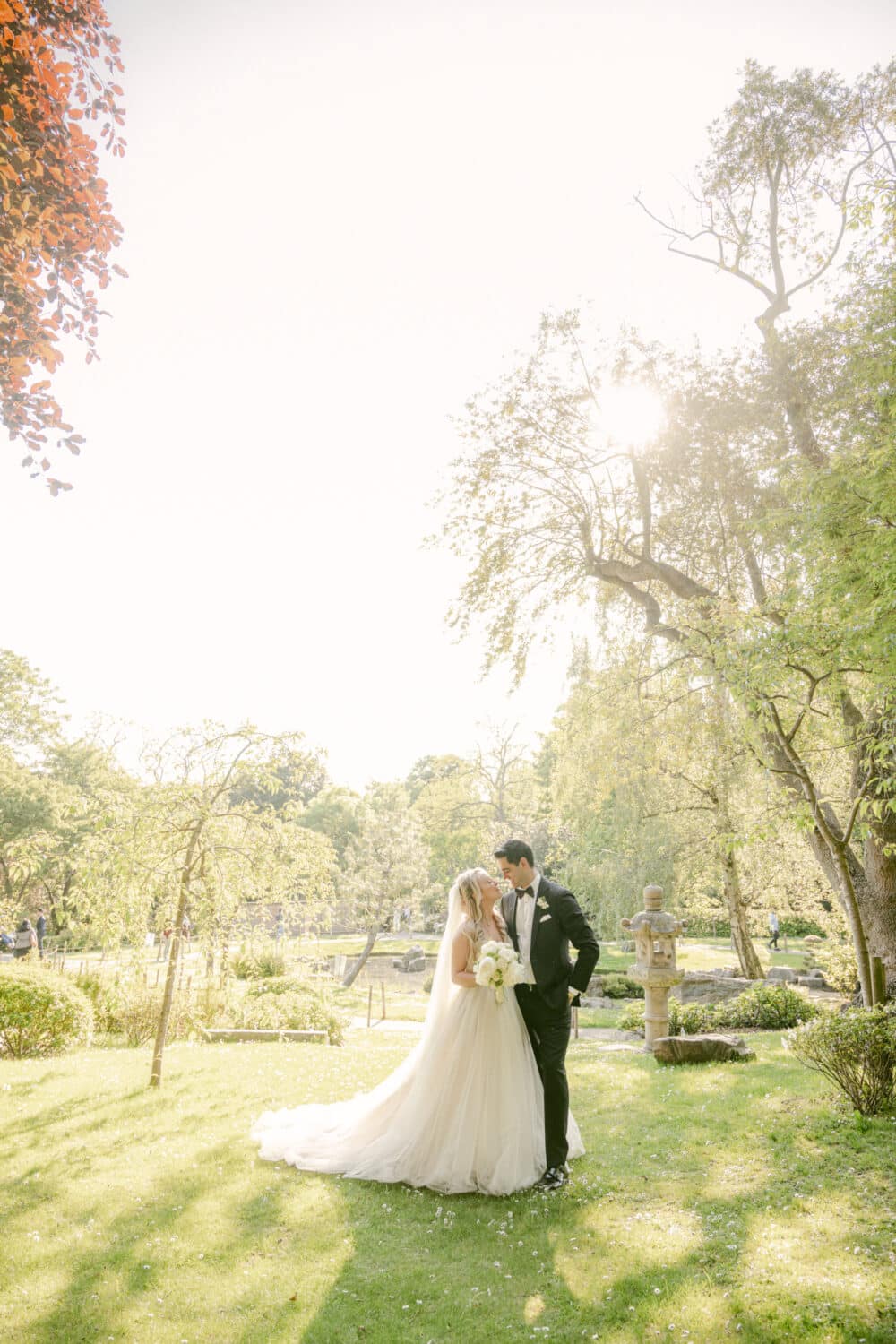
Unposed, mostly. I stay out of the way and photograph what happens. Family groups get done quickly, and for portraits I give people somewhere to walk rather than arranging them into shapes.
Every image is fully edited, you get high-resolution downloads, and a password-protected gallery to share with family.
My London wedding photography prices are here — send me your date and venue and I’ll tell you straight away whether I’m free.