Wedding photography styles, explained plainly
Photographers use a lot of labels: documentary, reportage, candid, classic, editorial, fine art, film. Most of them overlap, and most good photographers use more than one on the same day. This is what each one actually means, and how to tell what you’re getting.
Classic (or traditional)
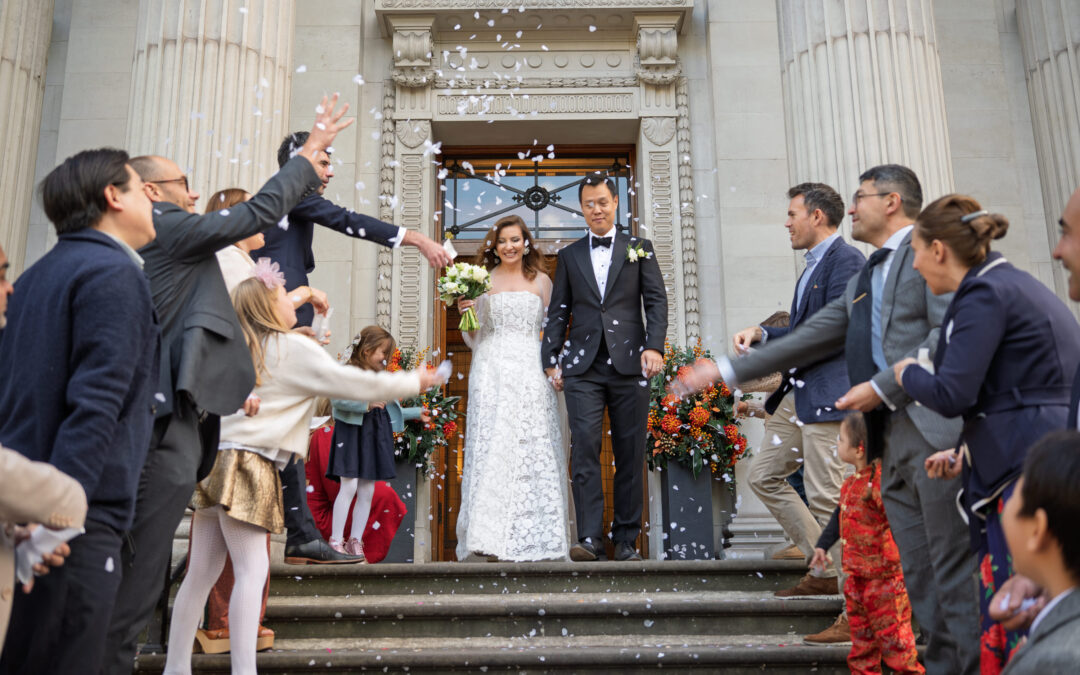
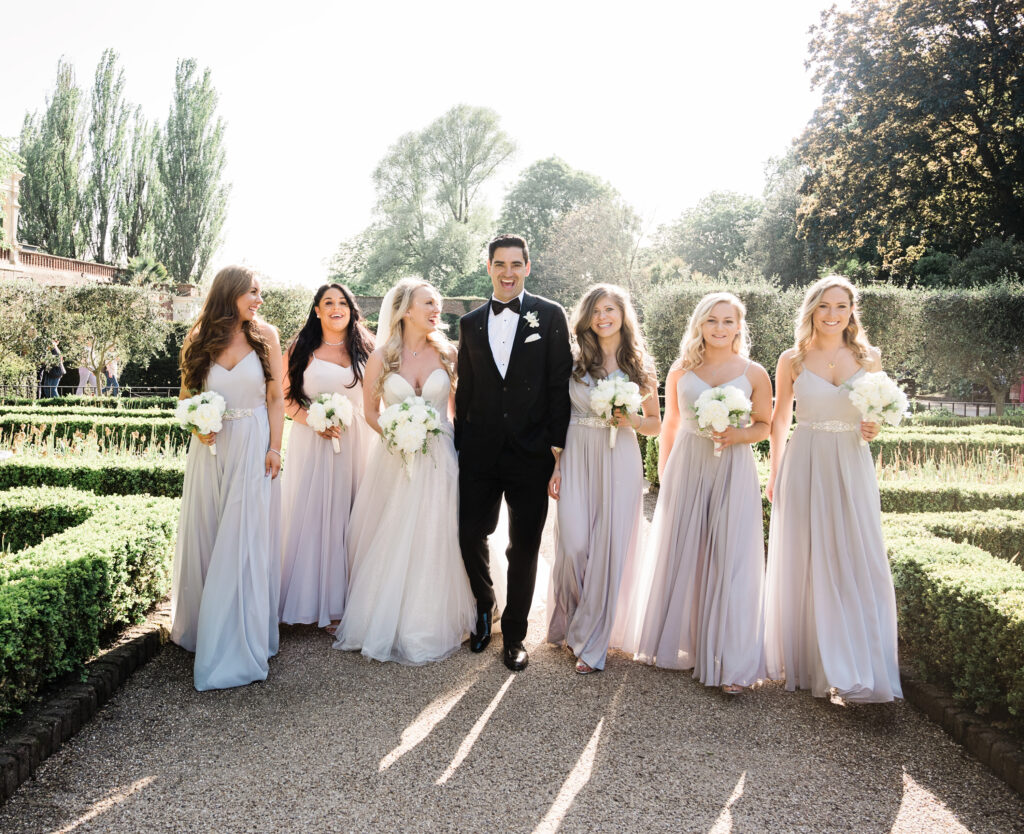
Planned pictures. The photographer works from a list, arranges people and makes sure every combination of family is covered. It’s the style your parents’ album was shot in.
It gets a bad name, but part of it is essential. Your grandparents with you both is not a picture that happens by accident. The trick is to keep this part short. Twenty to thirty minutes of arranged groups is plenty for most weddings, and it’s best done straight after the ceremony while everyone is in one place.
Documentary (reportage, photojournalism)
The photographer photographs what happens rather than setting it up. No lining up, no “do that again”. The father of the bride’s face during the speech, the flower girl asleep under the table, the moment the groom sees the bride.
This is how I work for most of the day. It means standing in the right place before a moment happens, not reacting after it. That comes from experience more than kit: knowing where the registrar will stand, which way the couple will turn, when the best man is about to go off script.
The one warning: pure documentary can leave gaps. If you want a framed portrait of the two of you, say so. It takes ten minutes.
Candid
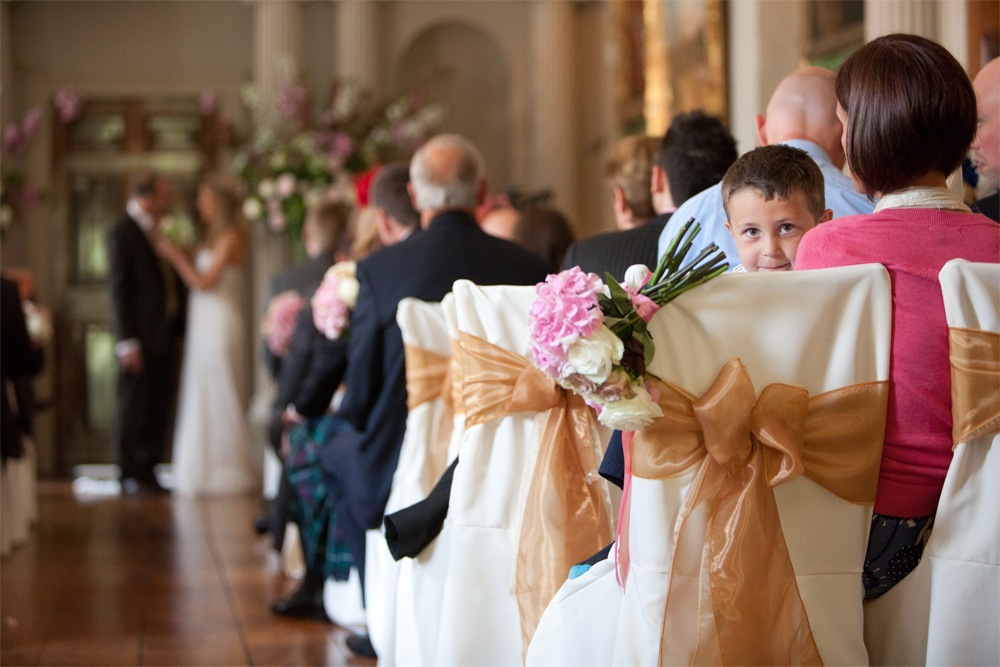
Often used as another word for documentary. Strictly it means unposed pictures of people who aren’t looking at the camera. Every photographer shoots candids. The question is whether they’re good ones, which you can only judge from a full gallery.
Editorial, fashion or creative
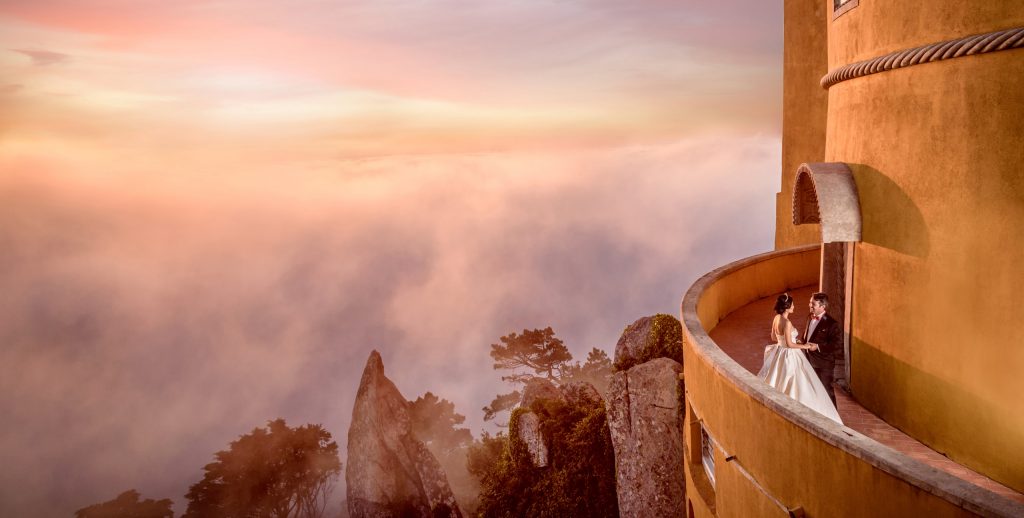
Portraits made to look like a magazine shoot. More direction, more attention to light and shape, sometimes a flash or a continuous light to add drama. This usually happens in a short portrait session away from the guests.
It suits couples who are comfortable being directed and venues with strong architecture. It’s worth asking how long it takes. A good creative portrait session doesn’t need more than twenty minutes, and nobody wants to miss their own drinks reception.
Fine art
A loose term. It usually means a soft, bright, pastel edit and a lot of attention to details: flowers, stationery, the dress on a hanger. See my piece on light and airy wedding photography for what that look involves.
Film
A small number of photographers still shoot some or all of a wedding on medium format film. It’s slow, it’s expensive per frame and you get fewer pictures, but the grain and colour are lovely. Most of what’s described online as a “film look” is actually digital, edited to resemble film. Both are fine. Just ask which one you’re getting.
Light and airy vs dark and moody
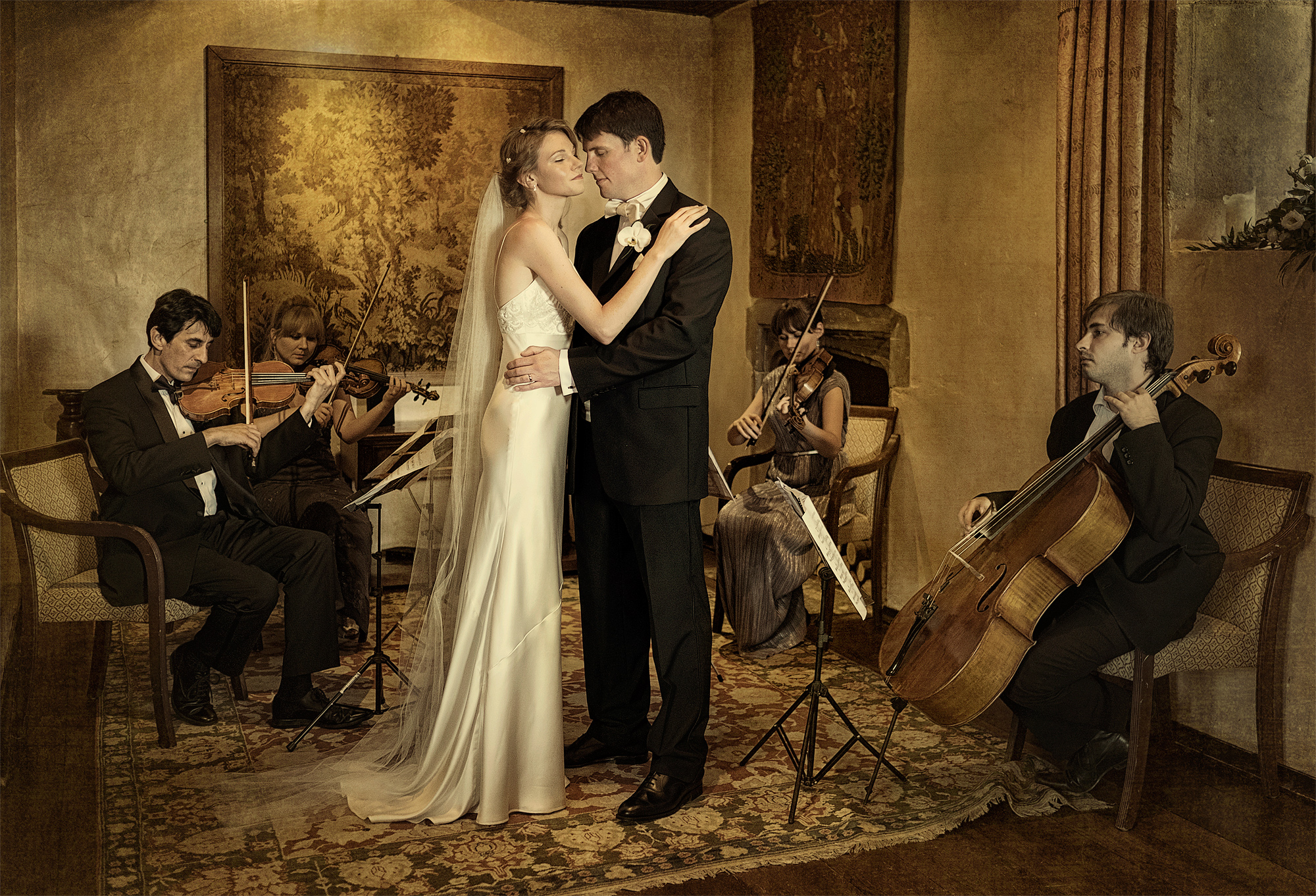
These describe the edit, not the way the day is photographed. Light and airy is bright and soft. Dark and moody keeps deep shadows and rich colour. Your venue and the time of year will push you one way or the other.
How to work out a photographer’s real style
- Ask for two or three full galleries. Portfolios show the best thirty pictures from ten years. A full gallery shows what you’ll actually get.
- Look at the evening. Dark rooms and dance floors show whether the style holds up when the light goes.
- Count the posed pictures. If half the gallery is posed, that’s a classic photographer, whatever the website says.
- Ask how they spend the day. Where do they stand in the ceremony? How long are the portraits? Who runs the group shots?
One photographer or two?
One photographer covers most weddings well. A second is worth it when you’re getting ready in two places and want both covered, when the guest list is large, or when the ceremony and reception are in different buildings. I can add a second photographer to any collection. Details are on my wedding photography prices page.
What I’d say if you asked me
Most couples want mostly documentary, a short set of family groups and ten or fifteen minutes of relaxed portraits. That’s how I shoot most of my weddings. If you want something different, tell me. The style should fit your day, not the other way round.
You might also like: how to get the best photos on your wedding day and what’s actually changing in wedding photography.